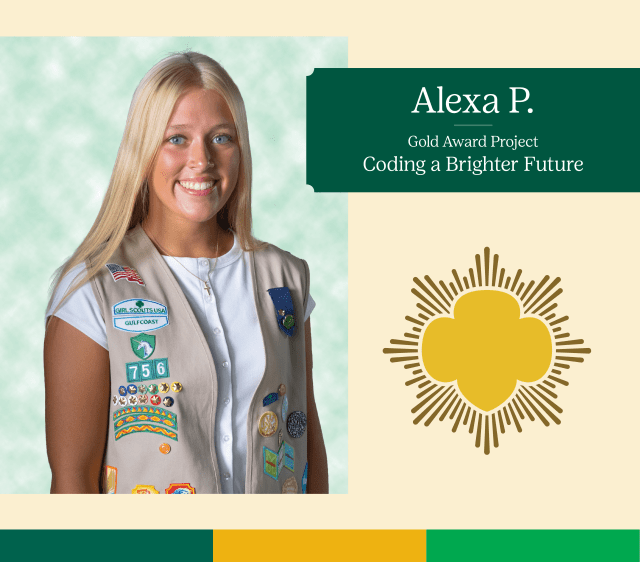
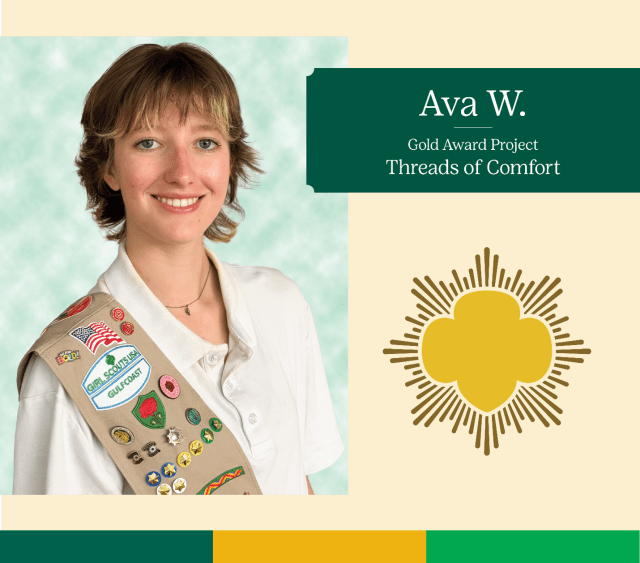
Girl Scouts of Gulfcoast Florida proudly celebrates Girl Scout Ambassador Alexa Parsons for earning the prestigious Gold Award, the highest honor in Girl Scouting.
Through her project, Coding a Brighter Future, Alexa addressed the lack of early exposure to computer science among young girls by creating sustainable, hands-on learning opportunities across Southwest Florida.
Research from the State of the Florida Girl Report indicates only 1/3 of high school computer science students in Florida are girls. Upset by the lack of gender parity in the field, she created a plan to educate local girls about coding and get them excited about the field.
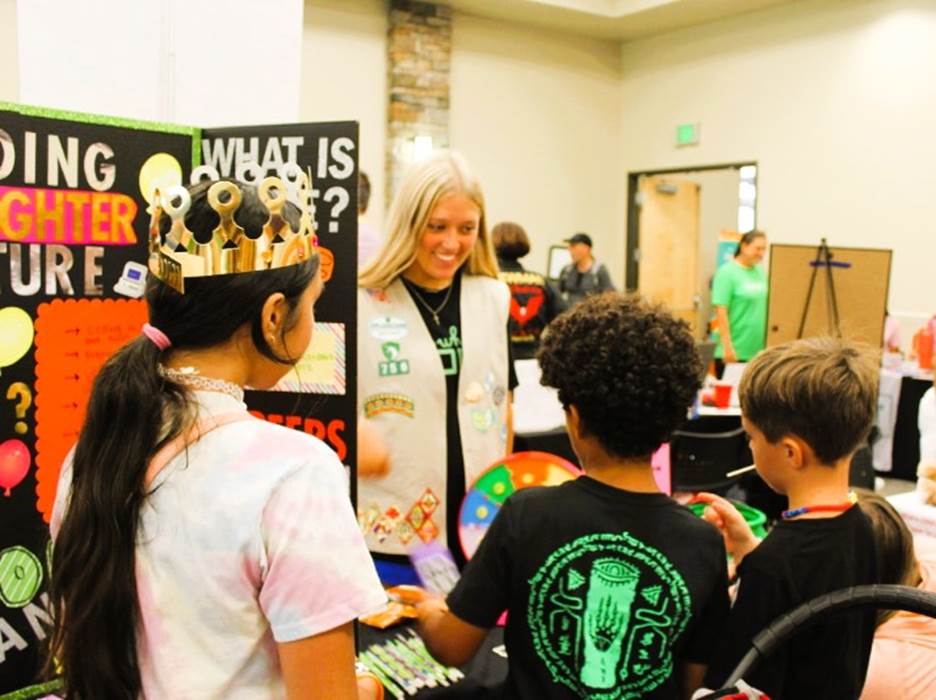
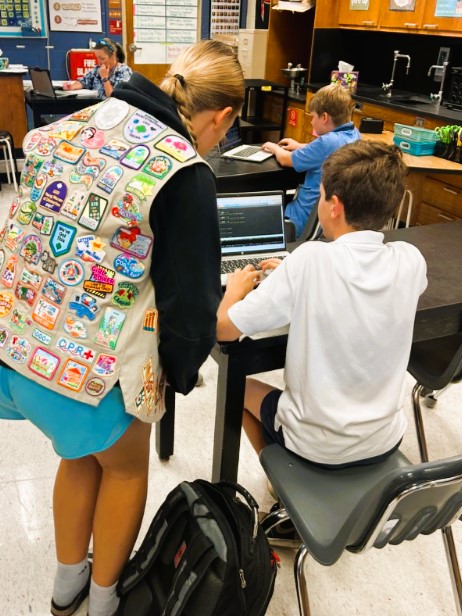
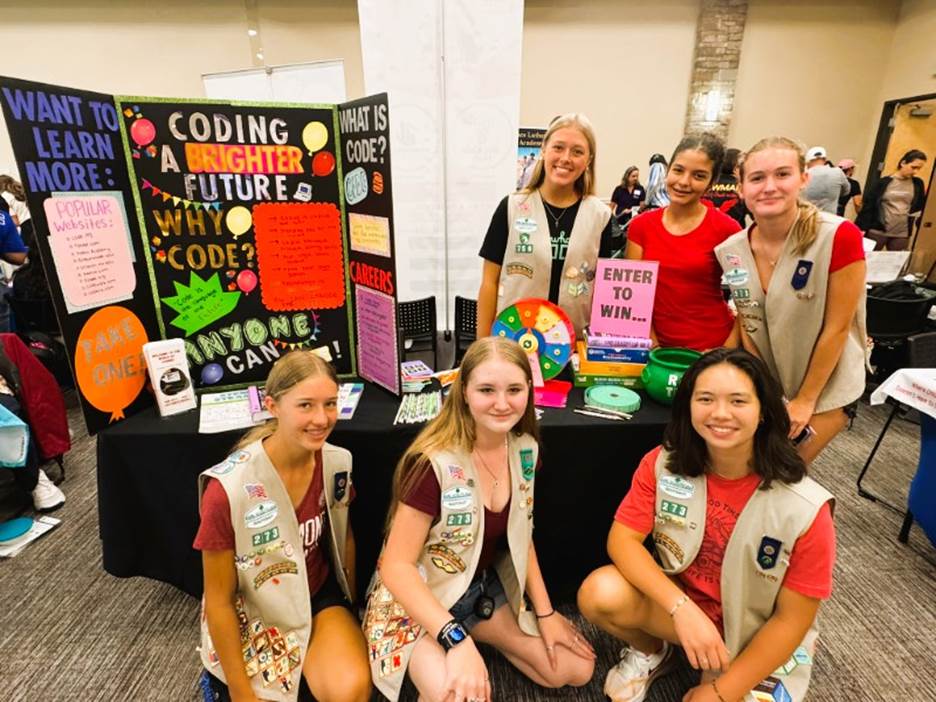
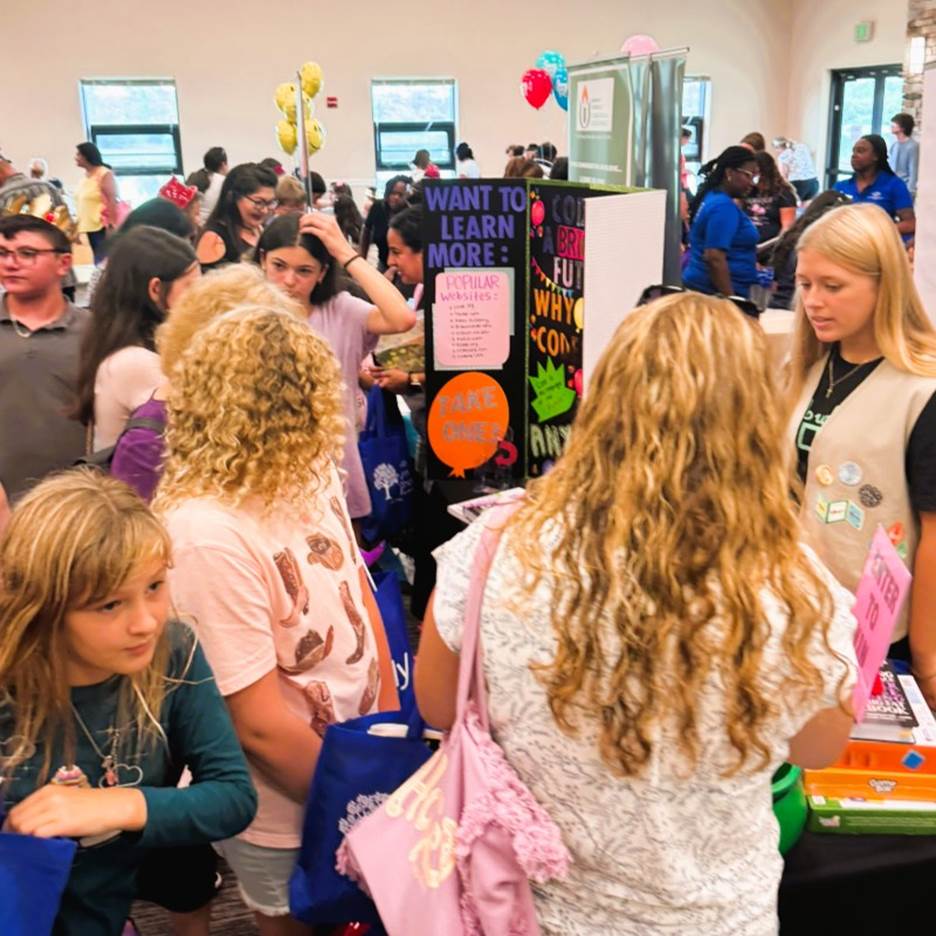
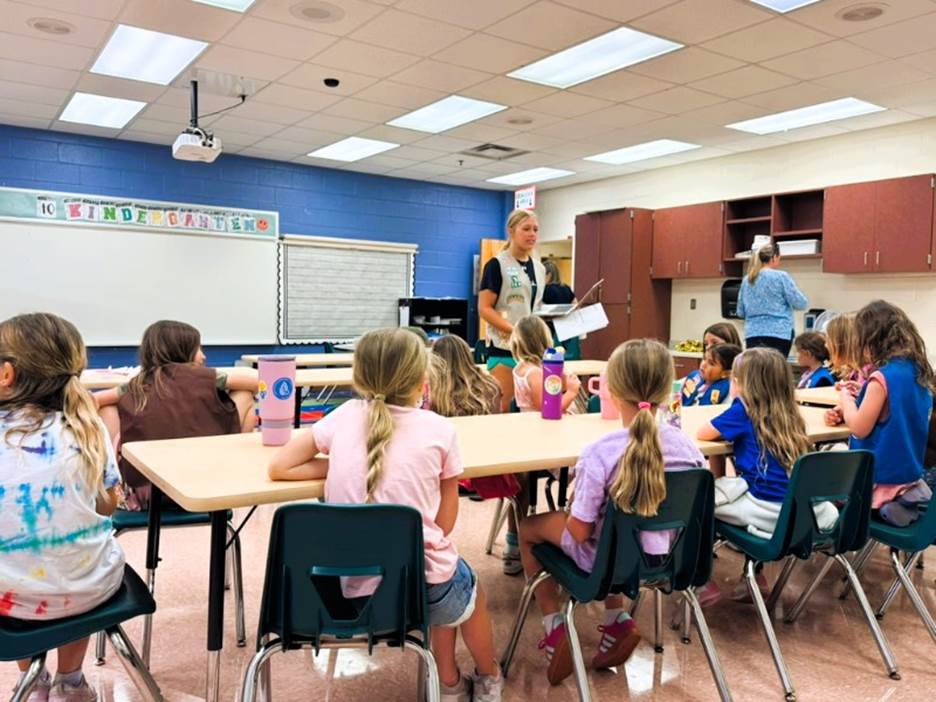
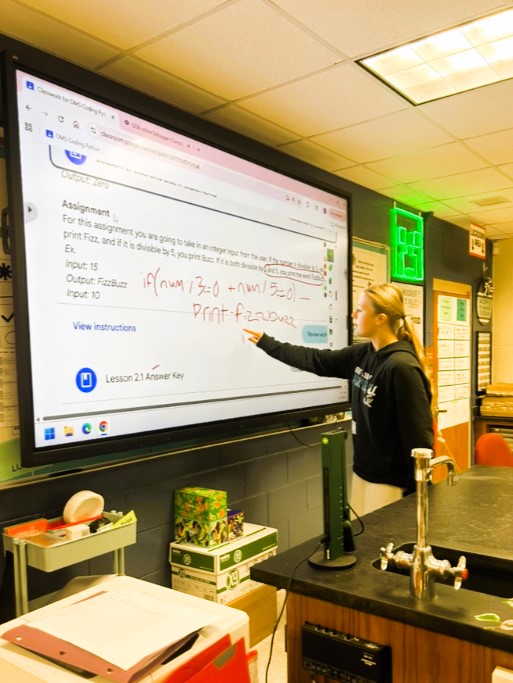
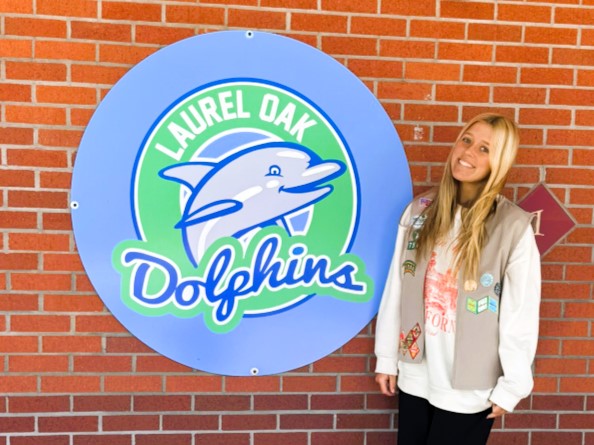
She launched and led a Python-based Coding Club at Oak Ridge Middle School, delivered classroom presentations at Laurel Oak Elementary School, led STEM workshops for local Daisy and Brownie Girl Scouts, and reached more than 1,000 students and families through an interactive booth at the Back to School Expo.
Using pre- and post-program surveys, Alexa measured measurable growth in student knowledge, technical skill development, and confidence in pursuing STEM coursework. A majority of participants reported increased interest in enrolling in future computer science classes and greater belief in their ability to succeed in STEM fields.
She ensured long-term sustainability by training younger student leaders and collaborating with her high school’s Girls Who Code members to continue the program.
The Girl Scout Gold Award, presented by Girl Scouts of the USA, is earned by fewer than six percent of eligible Girl Scouts nationwide and recognizes young women who identify a community issue and create lasting, measurable change.
We are proud to celebrate Alexa’s leadership and her commitment to expanding access to STEM education for the next generation. 💚
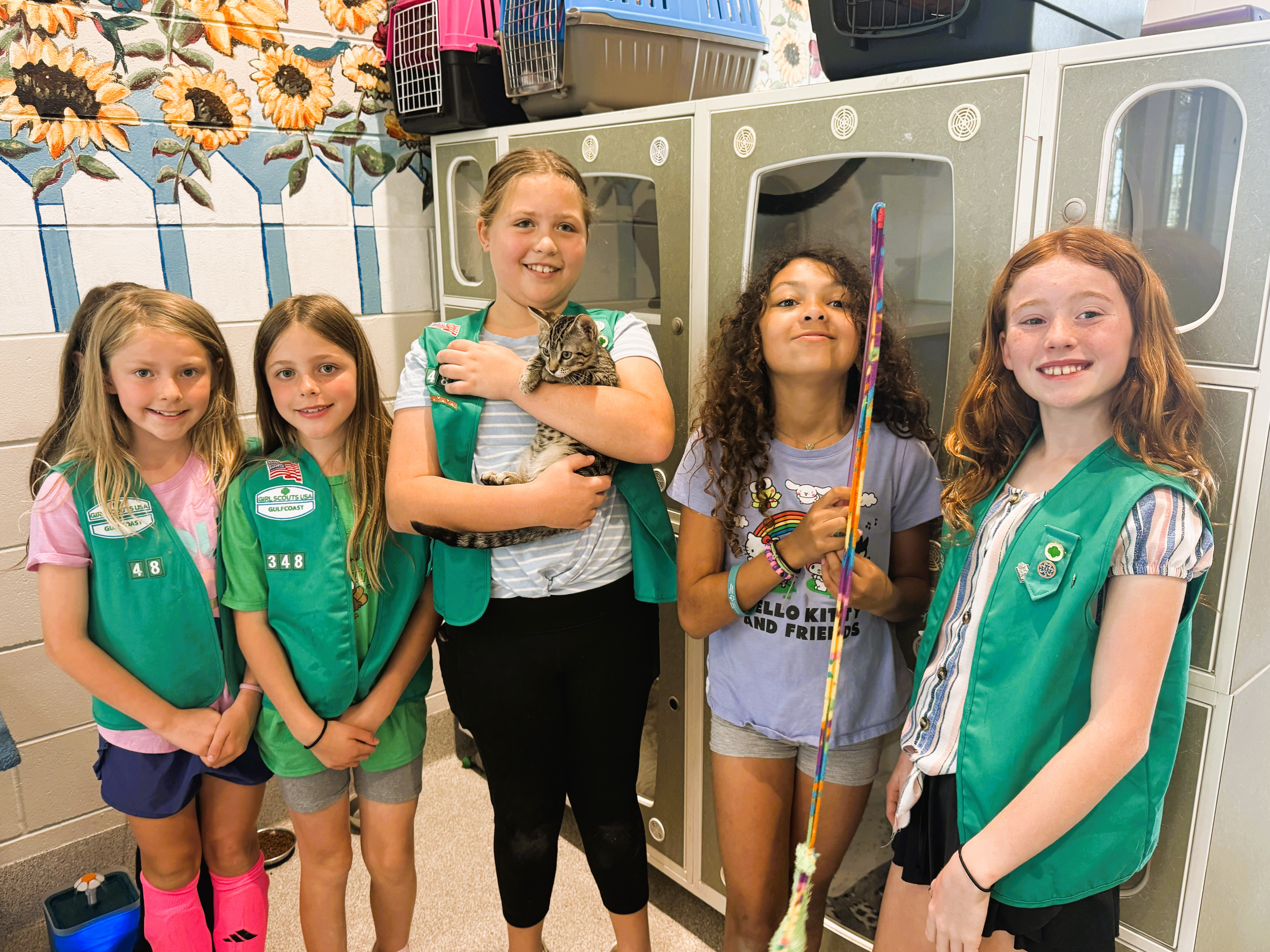
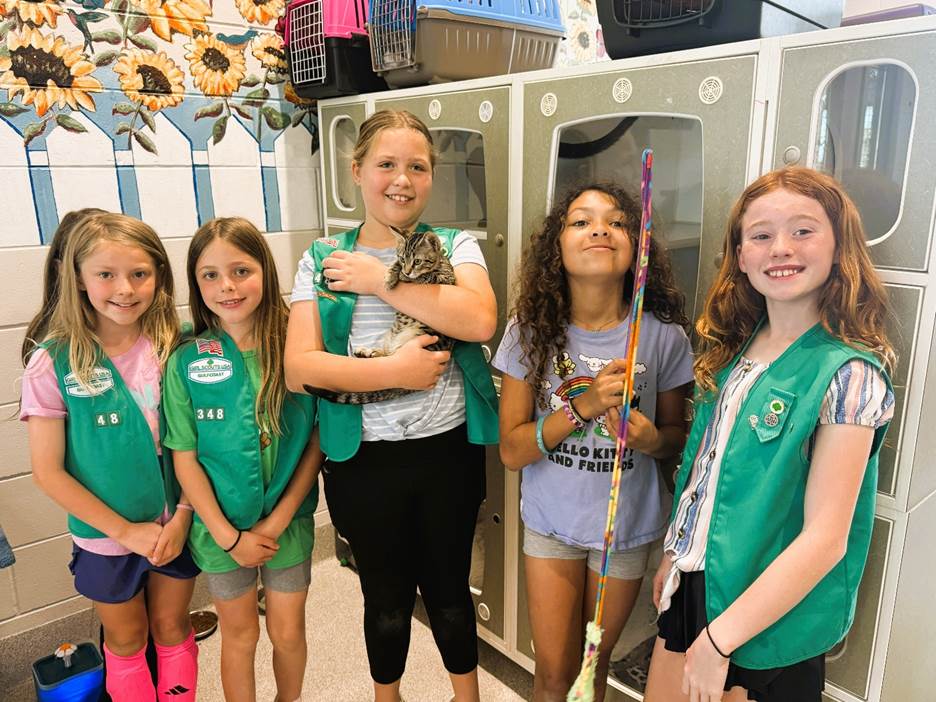
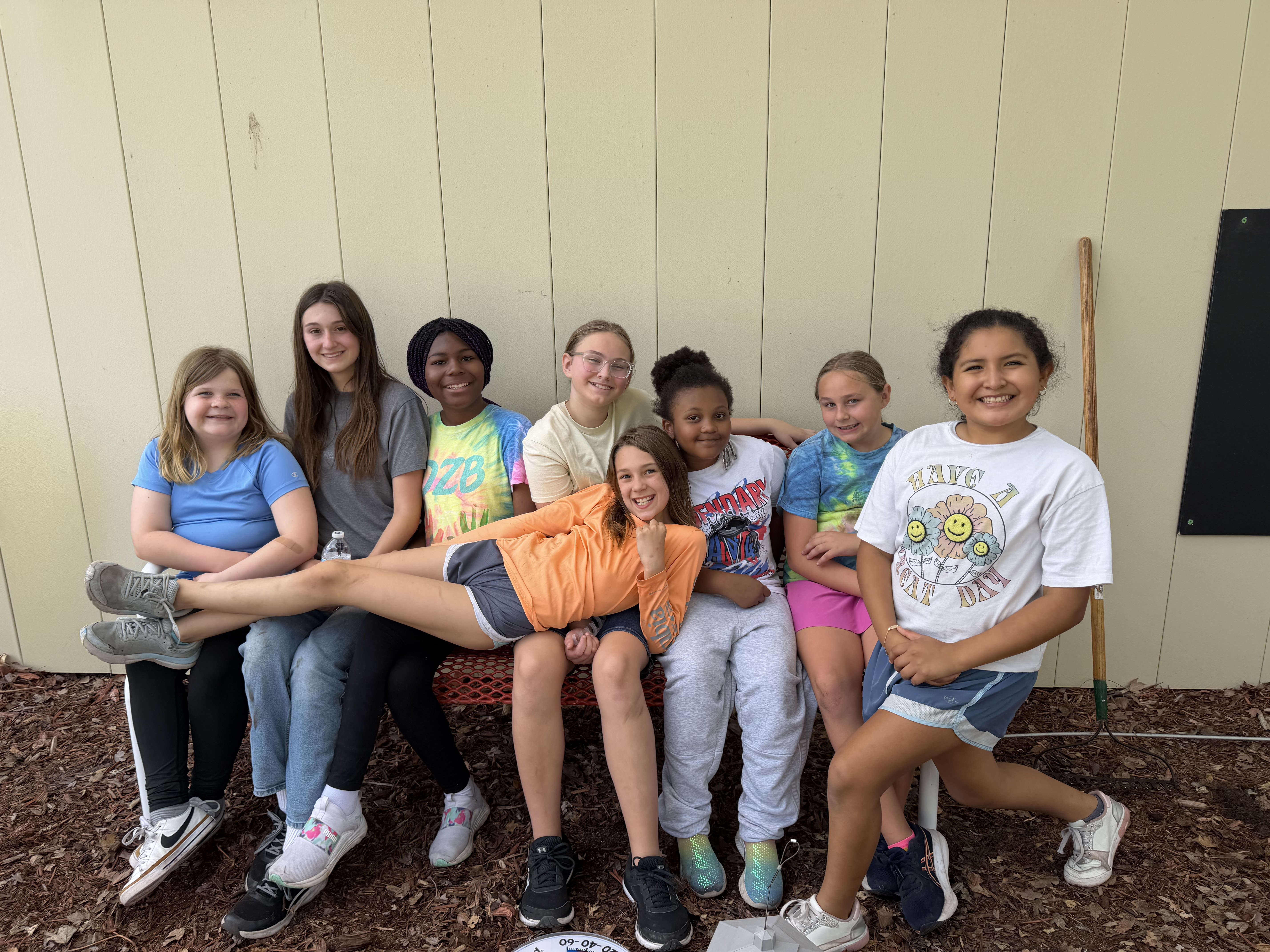
When Girl Scouts Rylee P., Reagan P., June T., Kiera G., and Avalynn R. from Girl Scouts of Gulfcoast Florida Troop 348 noticed how shy some of the cats were at their local humane society, they knew they wanted to make a difference. But instead of a typical volunteer project, they took a creative approach—recycling one of their favorite things: Girl Scout Cookie boxes.
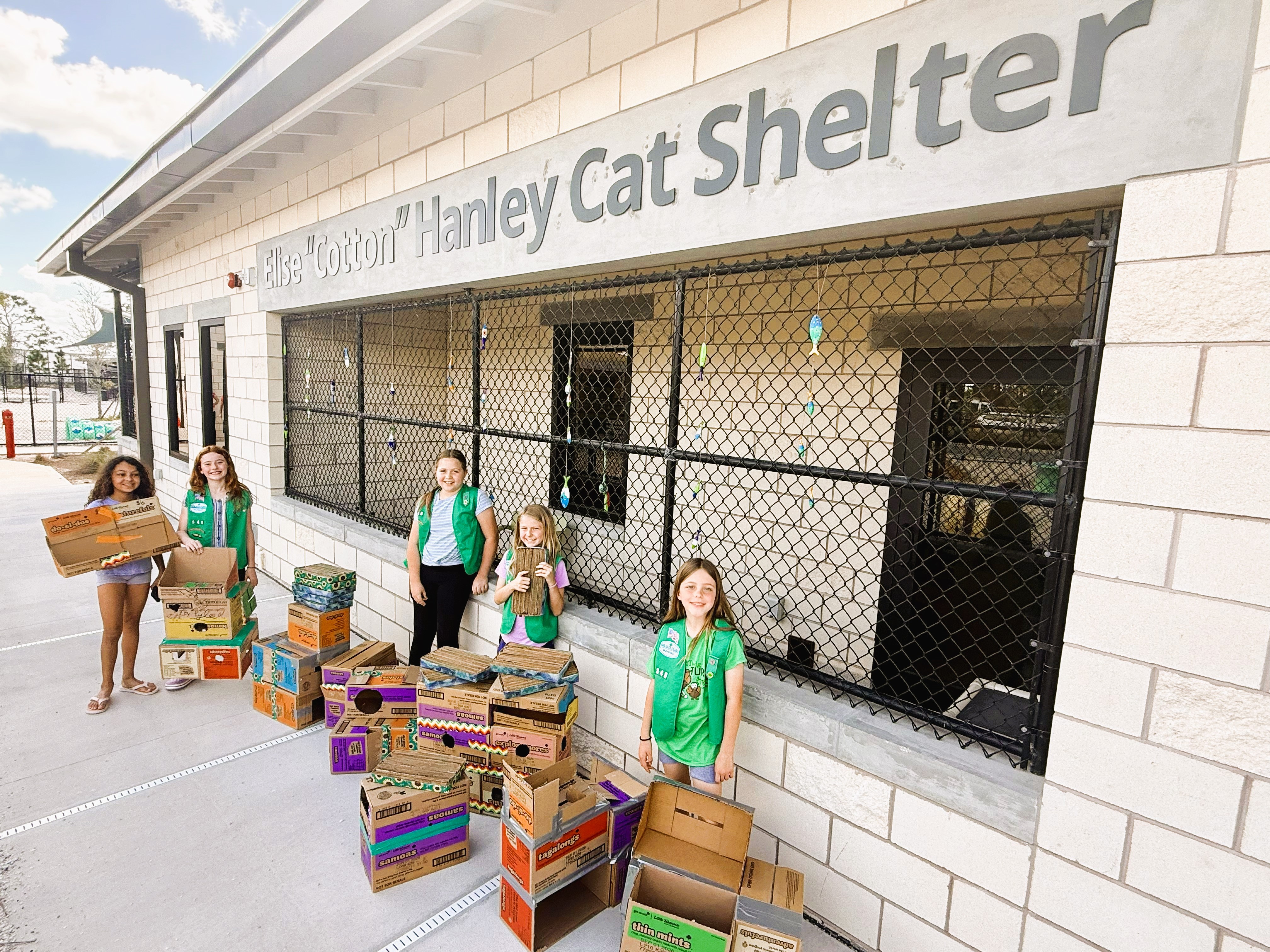
The girls project earned them the Girl Scout Bronze Award, which is the highest award a Girl Scout Junior can earn. The girls worked as a team to design and build cat scratchers and hideout towers from recycled Cookie boxes to enrich the lives of animals awaiting adoption.
Turning Cookie Cases into Cat Castles
“Our troop wanted to help enrich the lives of animals awaiting adoption. We decided that upcycling the cookie boxes to make scratchers and towers for the cats at the humane society was the best way for all the girls to help,” shared the team.
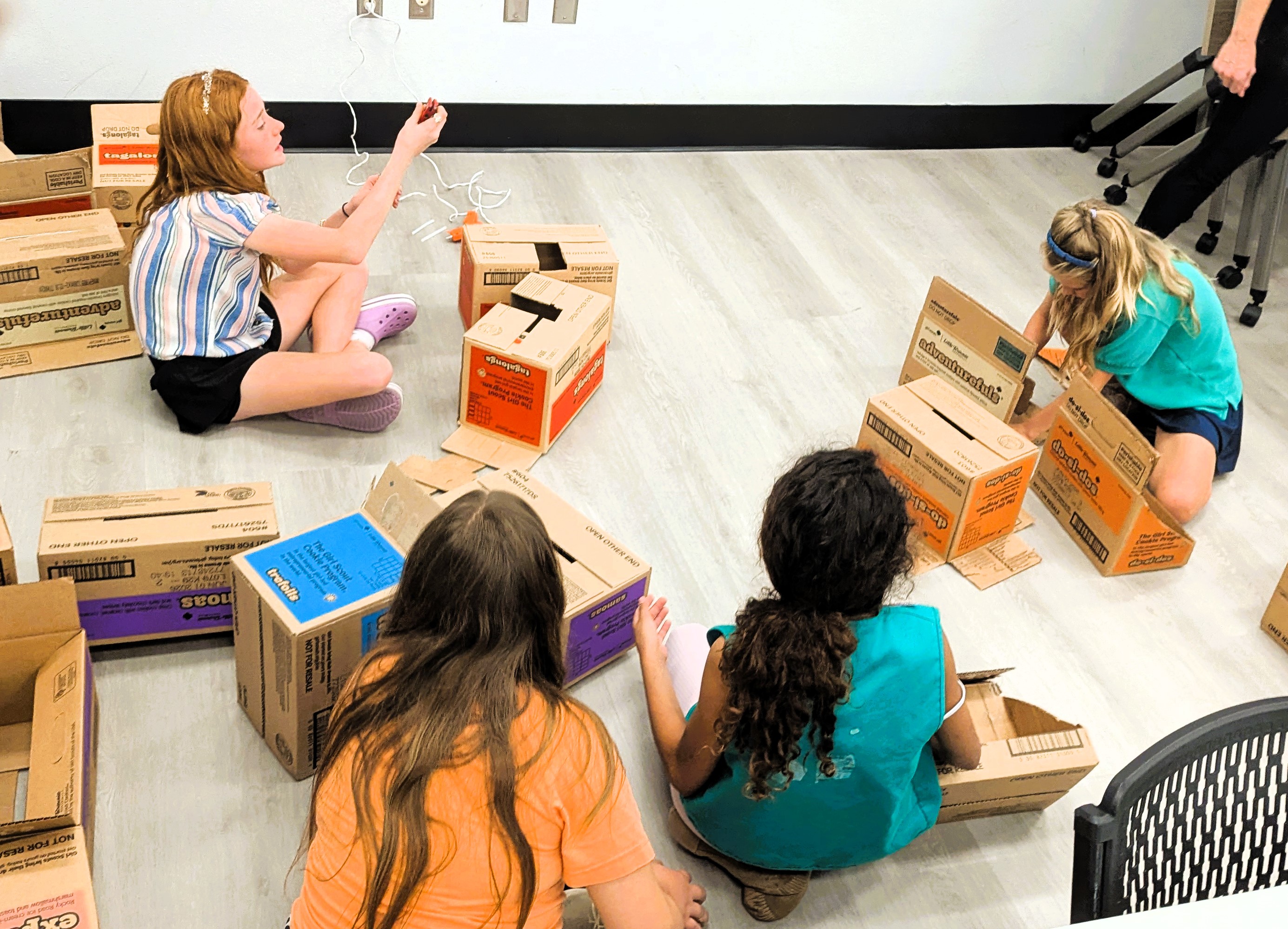
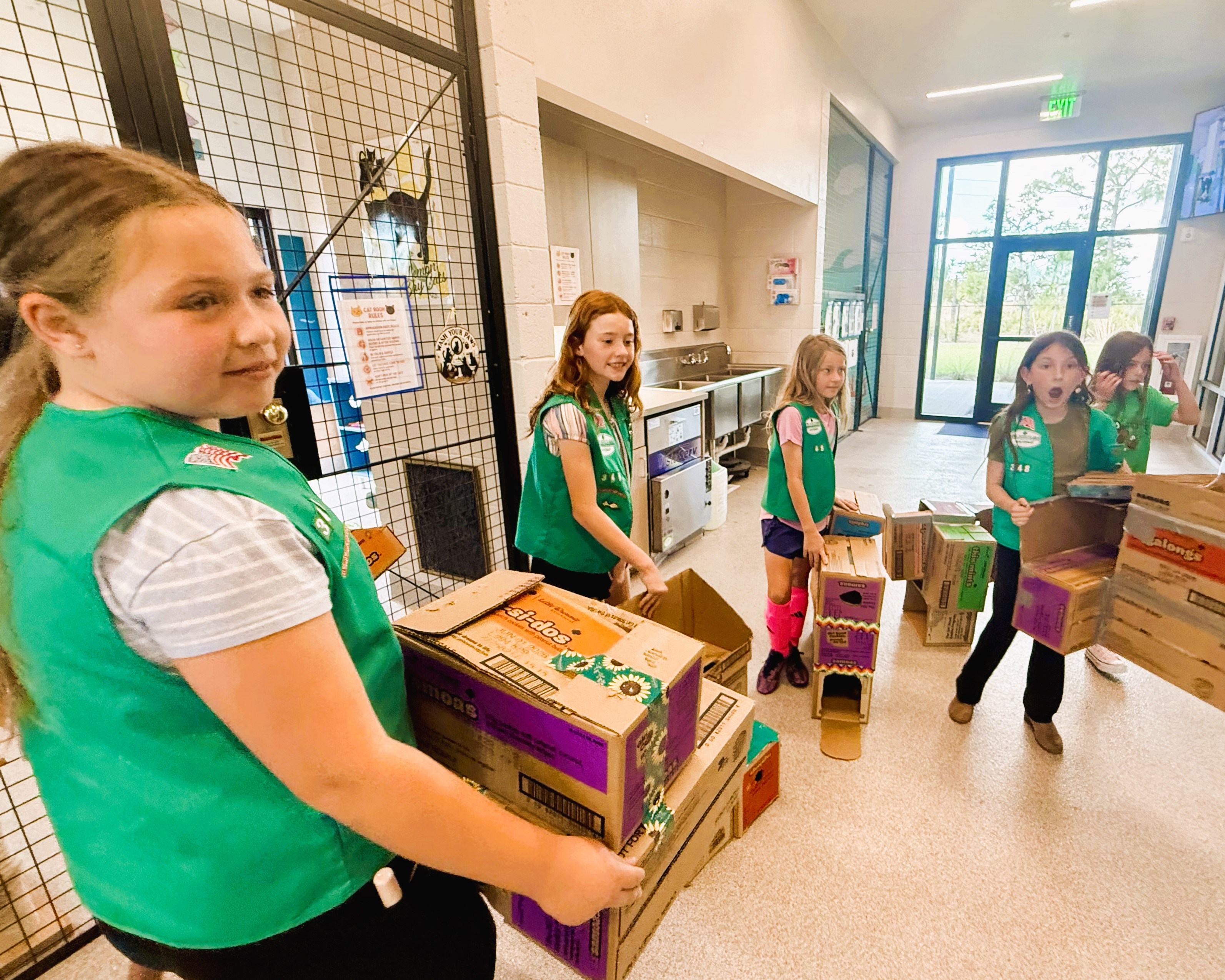
Over the course of a month, the girls devoted 20 hours each to creating 10 cat scratchers and 7 hideout towers. They used colorful duct tape and glue to hold everything together. Every step—from cutting the boxes to assembling towers—was a chance for creativity, teamwork, and problem-solving.
Challenges and Teamwork
Earning the Bronze Award wasn’t without its hurdles.
The girls were required to learn a new skill, precision cutting. “It was difficult for the girls to cut the scratchers into equal strips. One mom donated a special tool for the project.” The older girls in the troop helped the younger girls learn how to use the tool properly.
Designing towers that were structurally sound so the cats could play safely was also a challenge.
“We figured it out together, testing and adjusting until they were perfect.”
Through collaboration and ingenuity, the troop turned these challenges into opportunities to learn and grow.
Delivering Joy to Shelter Cats
The best part of the project? According to the girls it’s seeing their work in action.
“The girls enjoyed delivering the cat towers to the humane society the most. They were able to see how much the cats enjoyed playing and hiding in the towers. It was fun for everyone,” said the troop.
Making an Impact Last Year After Year
This project is sustainable and replicable. Troop 348 hopes that other Girl Scouts will continue the tradition of turning Cookie boxes into toys for shelter cats.
The girls plan to share their project and tower designs with friends, other troops, and the community, encouraging everyone to create cat towers and scratchers from home and deliver them to local shelters.
Troop 348’s Cookies for a Cause: Building with Love for Shelter Cats shows that creativity, teamwork, and heart can make a lasting difference—one recycled cookie box at a time.
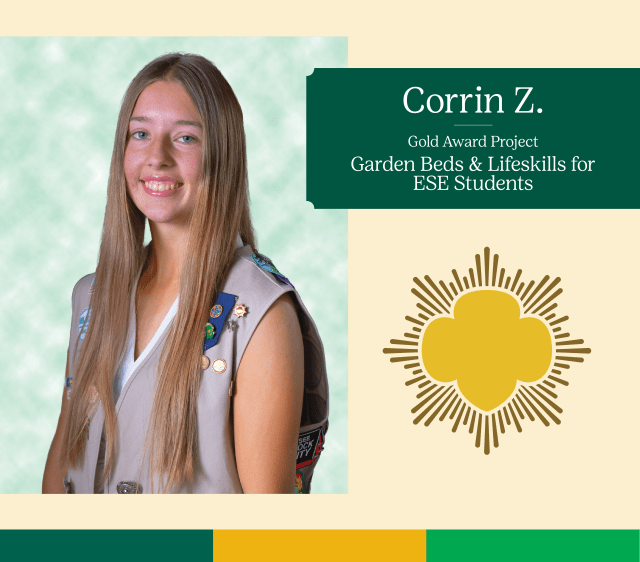
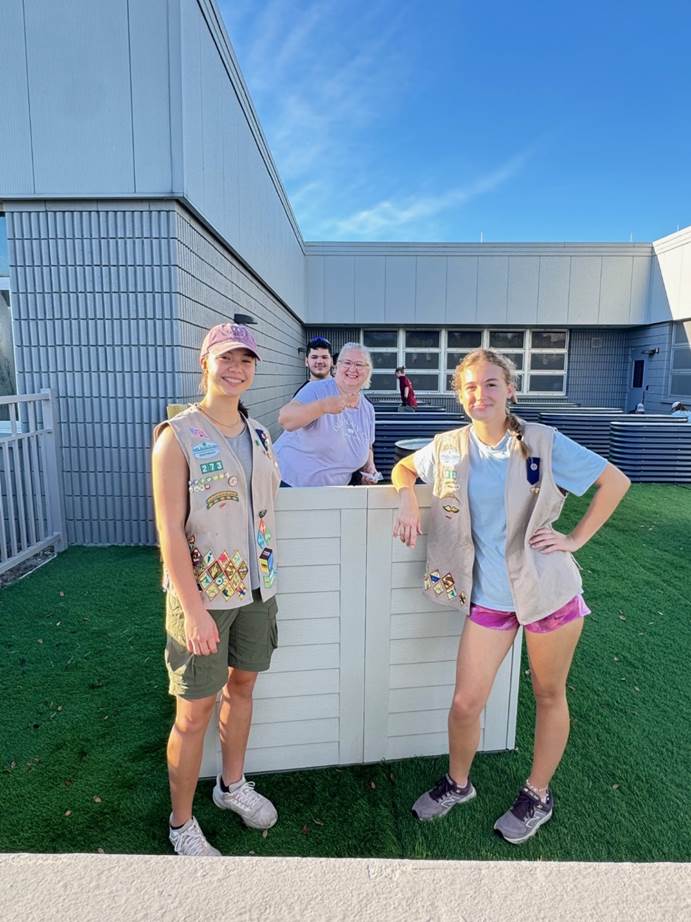
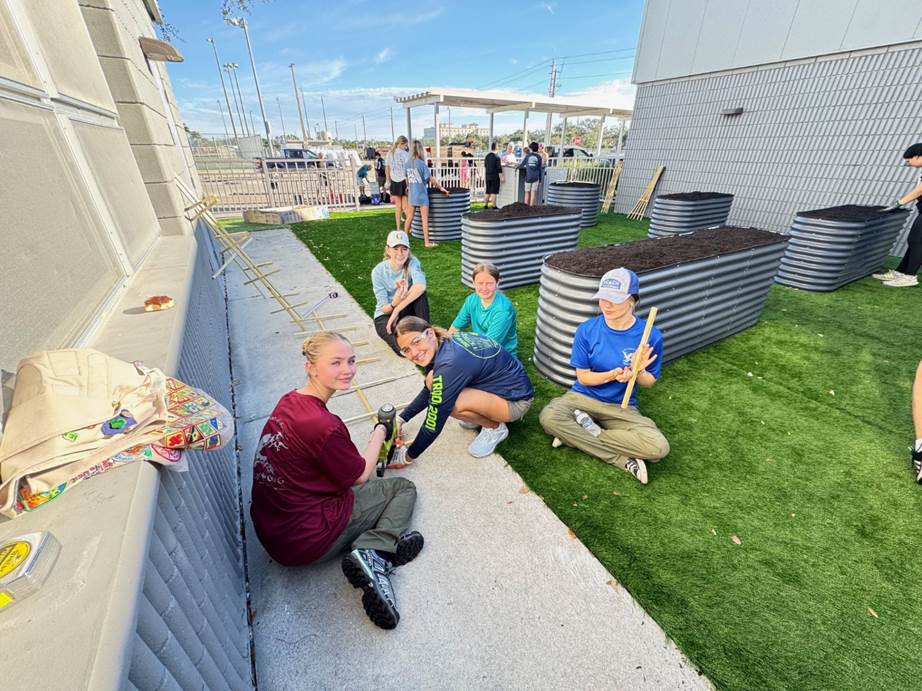
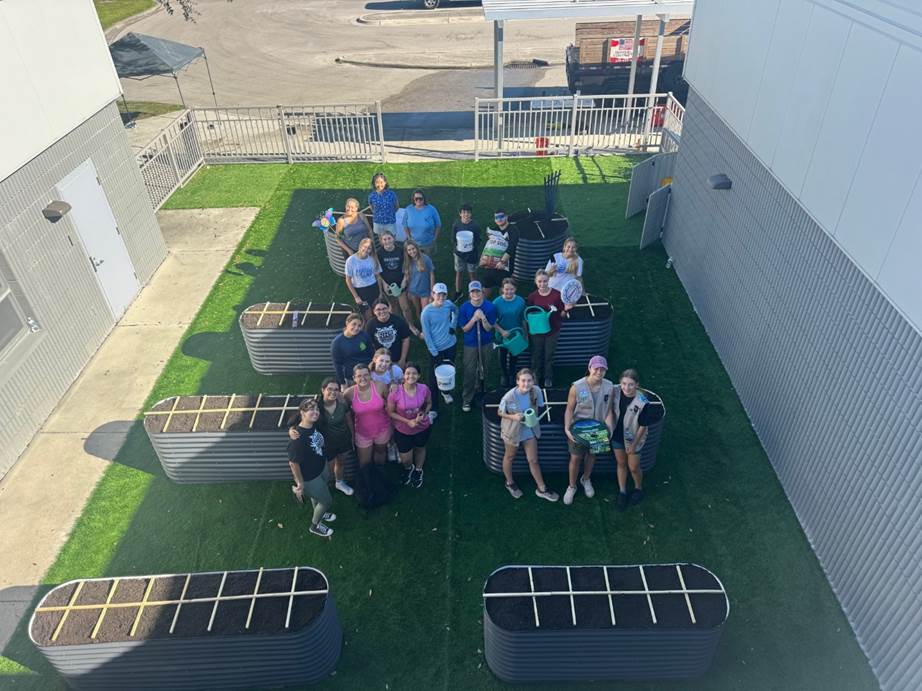
Corrin Zurbrigg, a 17-year-old junior at Barron Collier High School and member of Troop 273 with Girl Scouts of Gulfcoast Florida, has earned the prestigious Girl Scout Gold Award—the highest honor in Girl Scouting—for leading a transformative project that created a wheelchair-accessible garden and comprehensive life skills program for Exceptional Student Education (ESE) students at her school.
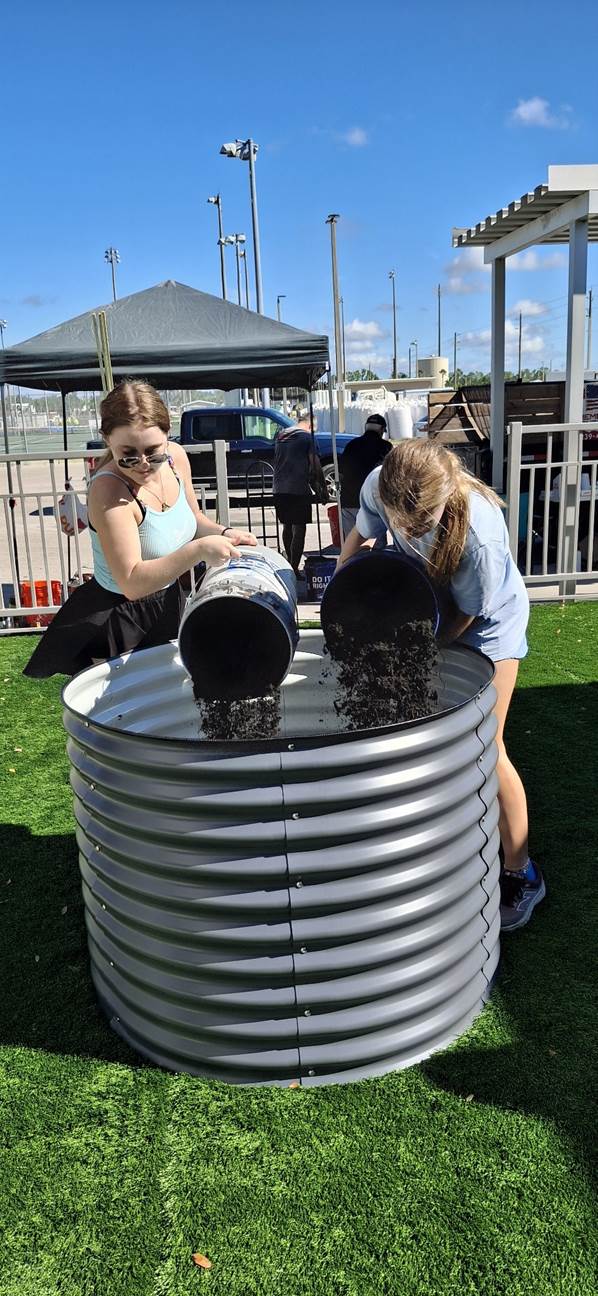
Through her project, Garden Beds & Life Skills for ESE Students, Corrin identified a meaningful gap in hands-on learning opportunities for ESE students, particularly in the areas of nutrition, sustainability, and independent living skills. She envisioned a space where students of all abilities could actively participate in planting, growing, harvesting, and preparing fresh fruits and vegetables—while building confidence and practical life skills.
What She Did
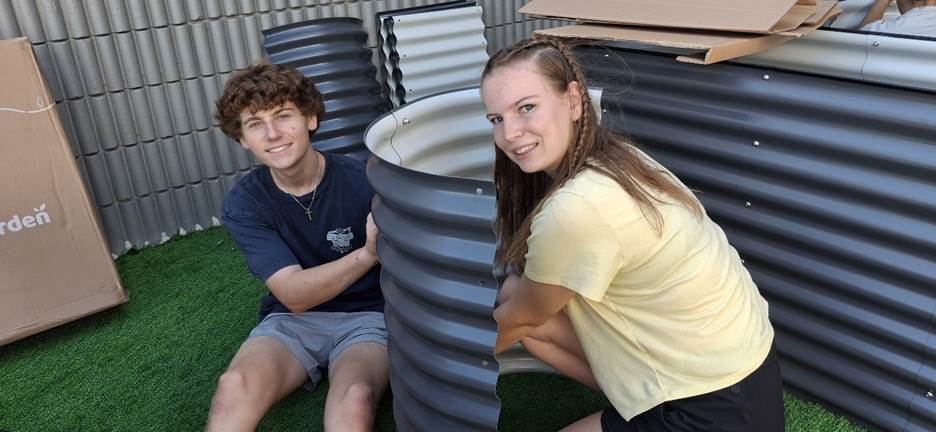
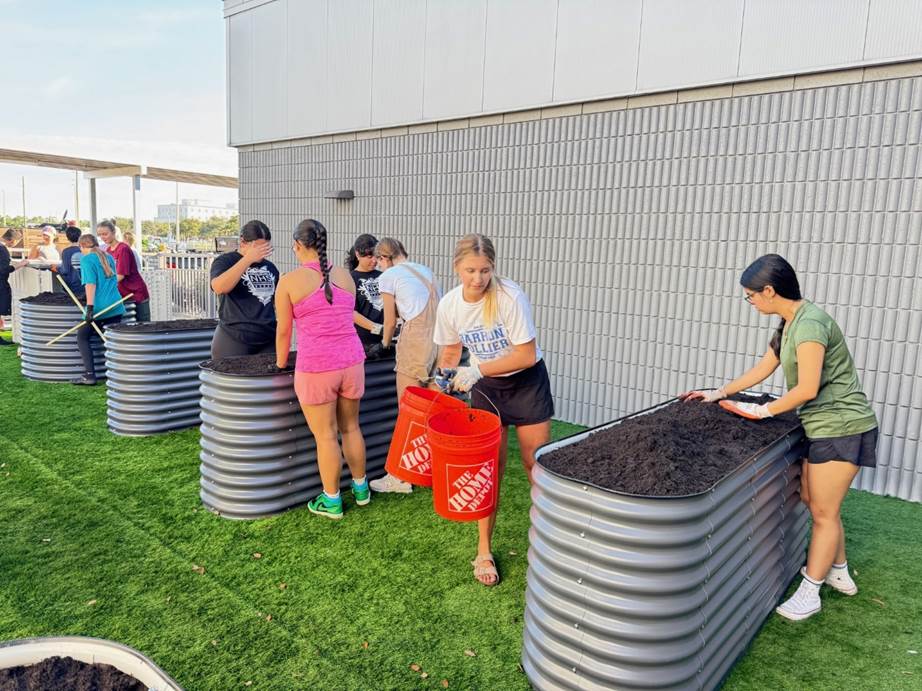
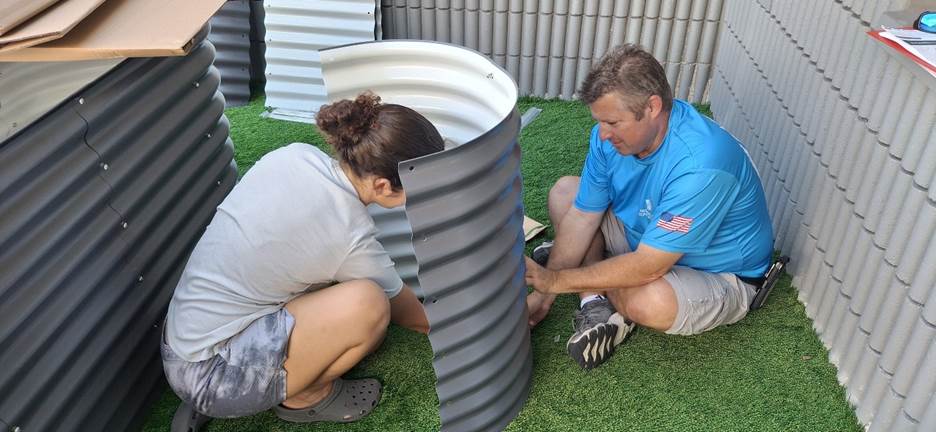
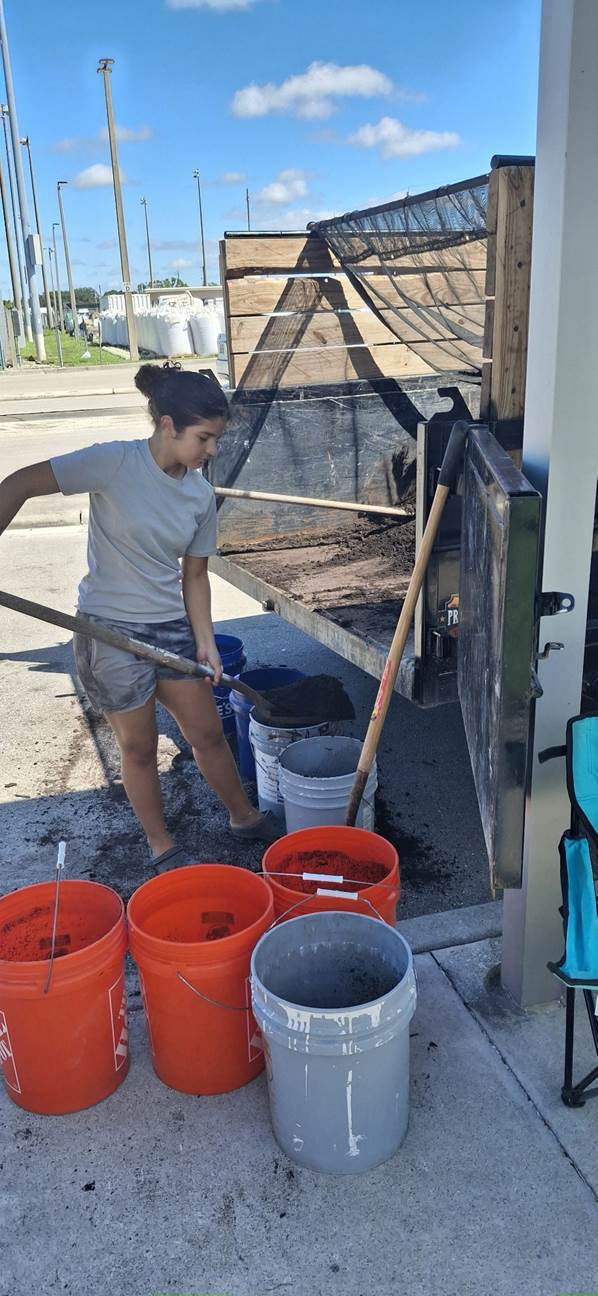
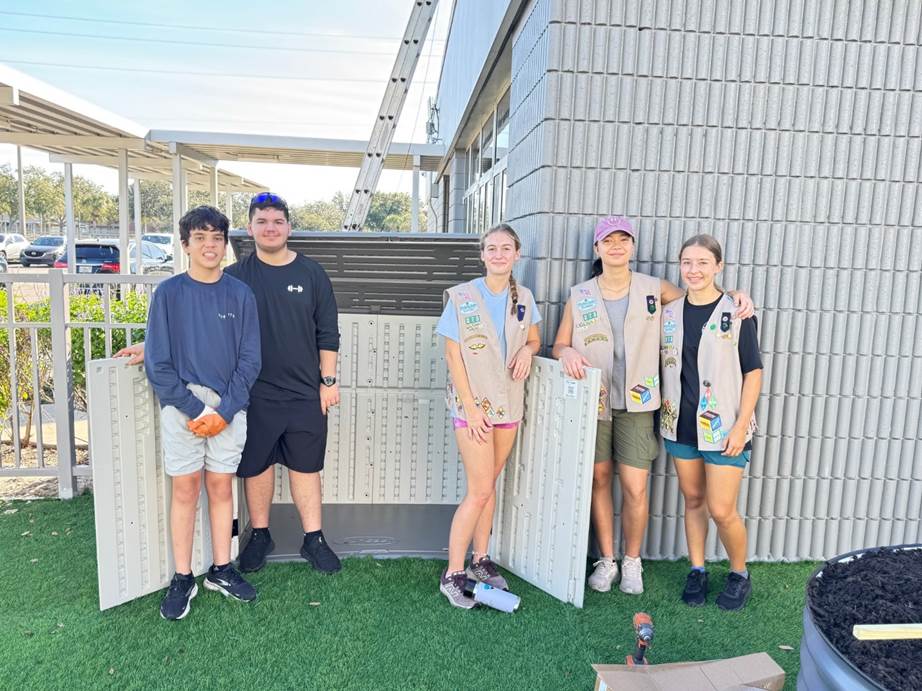
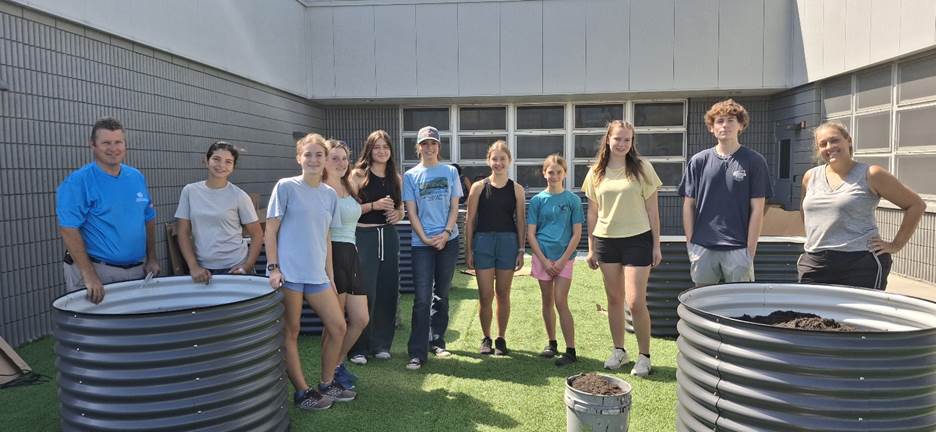
Over the course of more than 106 hours of planning, fundraising, organizing, and leading volunteers, Corrin designed and oversaw the construction of a fully accessible garden space on campus. The project included 10 raised garden beds strategically spaced to accommodate wheelchairs and mobility devices, irrigation supplies, gardening tools, a storage shed, and a structured 10-week gardening curriculum tailored specifically to ESE learners.
Measured Success
The impact of the program was measurable and immediate. Pre- and post-program surveys showed that student knowledge of gardening, nutrition, and plant science increased from an average of 60% to 84% after completing the 10-week course. Students gained hands-on experience in growing and harvesting produce, understanding healthy food choices, and learning foundational skills such as responsibility, teamwork, and basic food preparation.
Beyond academic learning, the accessible design of the garden ensures that students of all physical abilities can participate fully and independently. Corrin also created reusable lesson plans and resource materials so teachers can implement the program annually, guaranteeing long-term sustainability and continued benefit for future ESE classes.
Corrin secured more than $10,000 in in-kind donations from local businesses and community partners, demonstrating strong leadership, communication, and project management skills. She coordinated volunteers to assist with building and installation and worked closely with school staff to ensure the program aligned with educational goals and could be sustained long after her graduation.
About the Girl Scout Gold Award
The Girl Scout Gold Award is earned by fewer than six percent of eligible Girl Scouts nationwide. The award recognizes young women who identify a pressing community issue, develop and lead a sustainable solution, and create measurable, lasting impact.
By combining accessibility, education, and sustainability, Corrin’s project has created a permanent resource at Barron Collier High School—one that will continue empowering students with essential life skills and confidence for years to come.
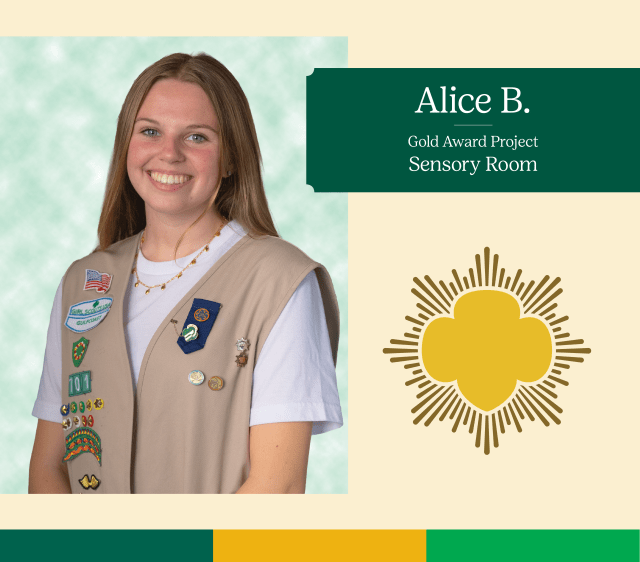
At Lakewood Ranch Preparatory Academy, students now have a safe, calming space thanks to the vision and determination of Alice Barr, a 17-year-old Girl Scout who earned her Gold Award—the highest honor in Girl Scouting.
Alice’s project, Sensory Room, addressed a pressing issue she knows firsthand: teen anxiety.
“As a Girl Scout, I wanted to change that. I wanted to teach healthy ways to deal with stress and anxiety,” Alice said.
Her dedication included fundraising through Girl Scout cookie sales and soliciting support directly from local donors.
She supported her project with deep research
Before designing the Sensory Room, Alice conducted extensive research to ensure the space would truly meet students’ needs. She reviewed mental health studies on teen anxiety and stress management, consulted with school counselors and mental health professionals, and surveyed students about what tools and activities would help them feel calmer and supported. She also explored best practices for sensory spaces in educational settings, studying design elements, lighting, music, and stress-relief resources.
Based on her research, she designed a sensory room equipped with comfortable seating, calming music, fidget toys, motivational quotes from staff and peers, and educational brochures on healthy coping strategies. By combining evidence-based practices with student input, she created a space that not only helps teens manage stress in the moment but also teaches them lifelong skills for emotional well-being.
“No student should feel unsafe when dealing with so much in their heads. Students are going through a lot and not having a safe place for them to go can be so bad for students’ mental health.”
Overcoming Challenges
Despite facing significant challenges, Alice persevered and remained committed to her vision for the Sensory Room.
Midway through the project, her school leadership changed when her principal, who had been a strong supporter of the initiative, left the school. This required Alice to present her entire proposal again to the new principal, reestablishing trust and gaining approval to continue. At the same time, several of her team members either left the school or stepped away from the project, leaving her to reorganize and identify reliable collaborators.
“It honestly felt like everything was going against me,” Alice reflected, “but keeping a positive mindset and focusing on the students who would benefit from the room helped me push forward.”
Through careful planning, patience, and determination, she navigated these setbacks while maintaining the integrity and purpose of her project, ultimately bringing the Sensory Room to life for the students who needed it most.
“Whenever I faced obstacles, I reminded myself that this room could help someone in a stressful moment,” Alice said.
The impact of the room has been immediate.
Teachers have observed students returning from the Sensory Room more focused and calm, and anonymous student reflections indicate the room is helping them build emotional resilience and develop healthier mental health management skills.
“When students use the room, they have a more positive mindset overall. They come in upset and mentally not okay, and when they leave, they are in a better state of mind and have gained knowledge on what helps them when going through a rough time,” Alice said.
Alice Gold Award project is a powerful example of leadership, empathy, and determination. Through her efforts, she has created a legacy that will help students manage stress and anxiety for years to come.
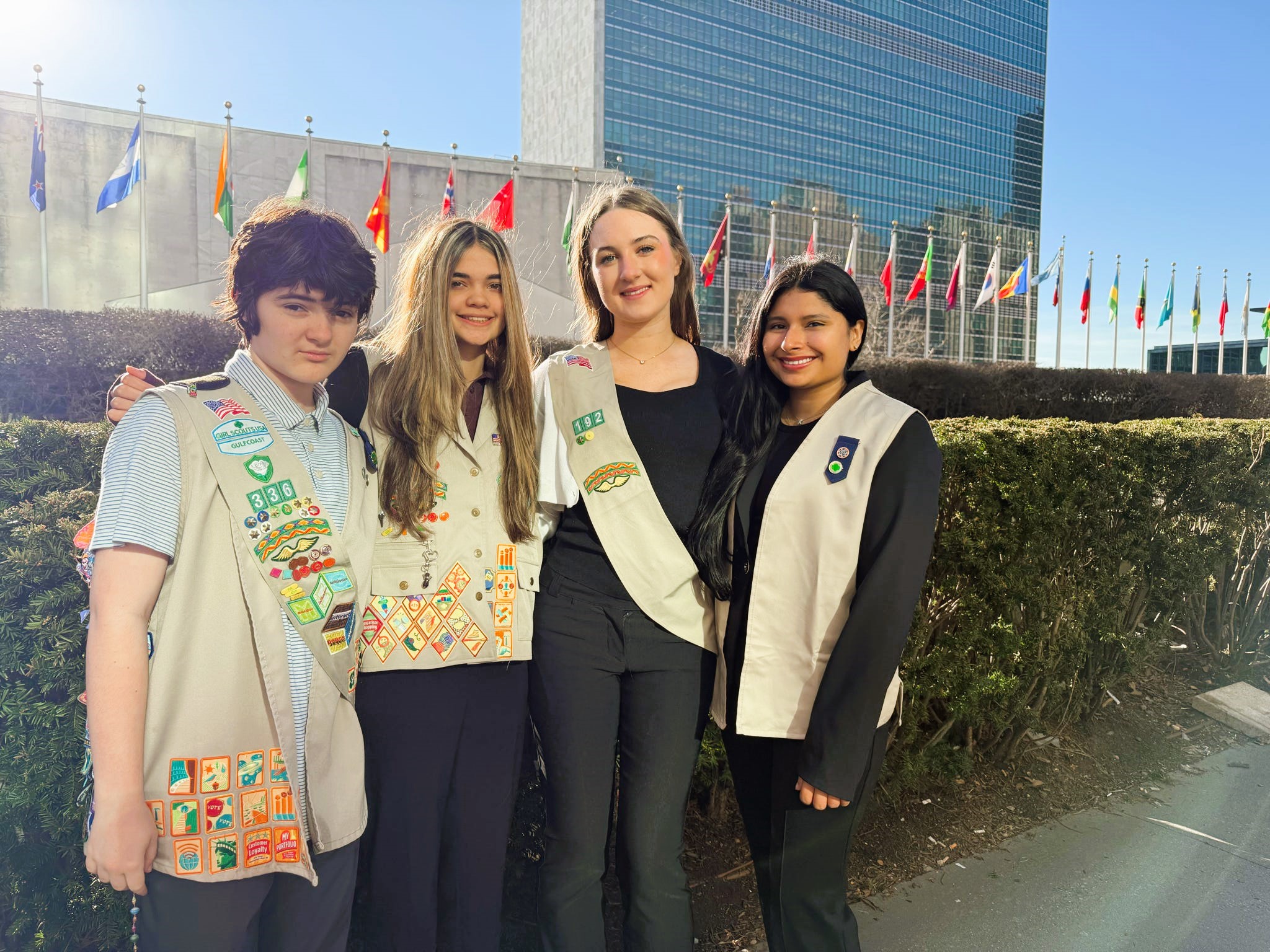
Four remarkable Girl Scouts from Girl Scouts of Gulfcoast Florida are taking their leadership to the global stage! This March, Raina C., Zoe M., Keira S., and Charlotte W. will join Girl Scouts from across the United States at the 70th Session of the United Nations Commission on the Status of Women (CSW70) in New York City.
The Commission on the Status of Women is the United Nations’ principal global body dedicated to advancing gender equality and empowering women and girls. Each year, representatives from governments, organizations, and youth groups gather to evaluate progress, discuss challenges, and develop policies that improve opportunities and outcomes for women and girls worldwide.
Meet Our Delegates
Raina C., 15 – Raina has been a Girl Scout for nine years and previously served on the GSUSA Youth Advisory Board. She has earned her Bronze Award on sea turtle awareness and her Silver Award through environmental education projects. Raina hopes to gain delegation and debate experience while connecting with passionate women and girls worldwide.
Zoe M., 17 – A 13-year Girl Scout, Zoe has completed the GirlTopia and Mission Sisterhood Journeys and is currently working toward her Gold Award with an environmental and wildlife conservation project. Serving as the Girl Representative on the GSGCF Board of Directors, Zoe also leads her school’s Model UN Club and volunteers with Cape Coral Friends of Wildlife. She looks forward to exploring global approaches to gender equality and amplifying youth voices.
Keira S., 15 – A 10th grader from Florida, Keira has been a Girl Scout for over 10 years. She has served as a Counselor in Training and is part of the GSGCF Media Marvels. Passionate about filmmaking and photography, Keira hopes to learn how to create positive change for girls and women globally.
Charlotte W., 16 – A junior at Pine View School for the Gifted in Osprey, Charlotte leads her school’s Speech & Debate team and is president of the Chinese Honors Society. She is also an assistant statistician for a urologic clinical research team and an International Forensic Science Champion. At CSW, Charlotte is committed to advocating for girls’ rights and ensuring women’s voices are heard on a global stage.
The CSW Experience
During the conference, these delegates will attend panel discussions, engage with global leaders, and learn how international policies are developed and implemented. They will return home inspired to share their experiences through community presentations and projects, helping other girls understand global leadership opportunities available through Girl Scouting.
This year’s CSW70 focuses on:
Access to justice for all women and girls, promoting inclusive legal systems and eliminating structural barriers.
Women’s full participation in public life, ensuring safety, equality, and empowerment.
Through experiences like CSW, Girl Scouts gain the tools to advocate for meaningful change locally, nationally, and globally!
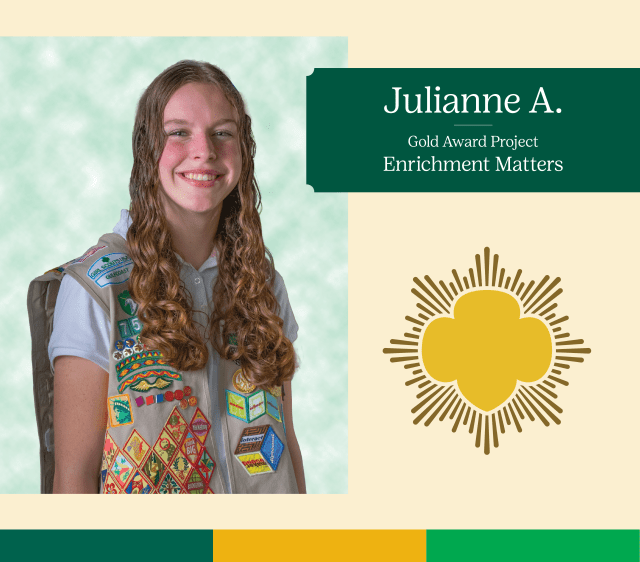
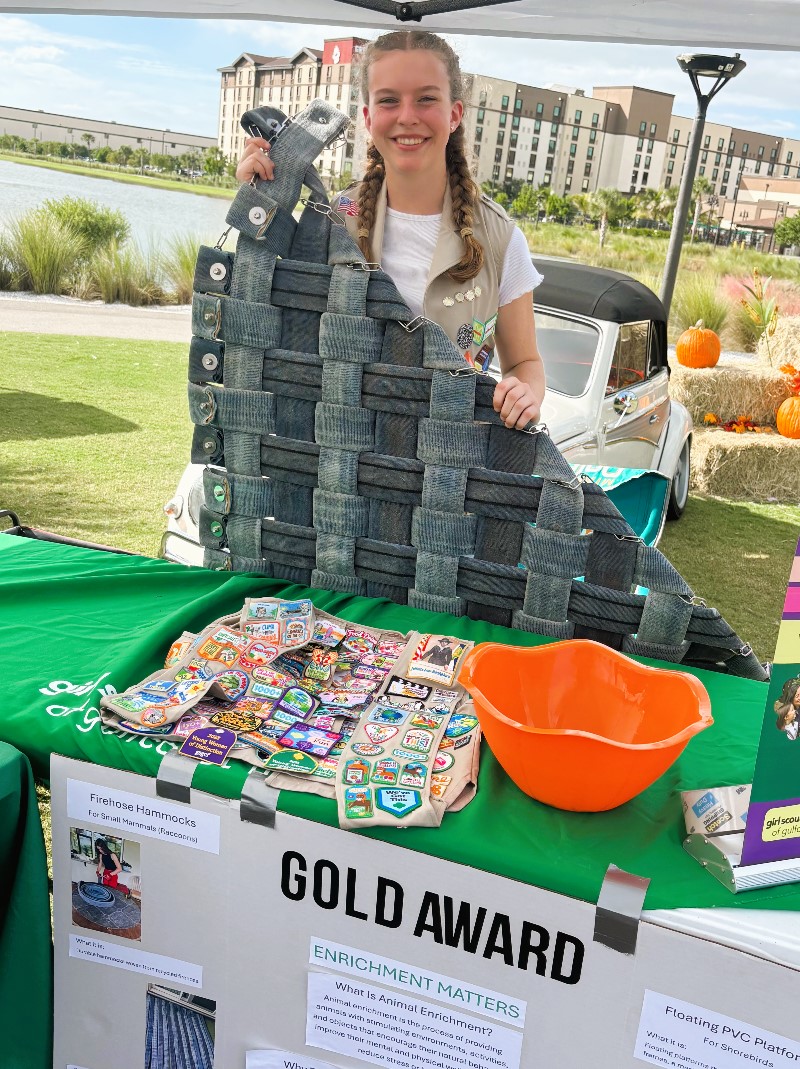
When Julianne Arthur, a junior at Aubrey Rogers High School, set out to earn her Girl Scout Gold Award, she knew she wanted to tackle a problem close to her heart: the lack of mental stimulation for animals in rehabilitation.
“Without enrichment, animals may experience unnecessary stress, anxiety, and slower recovery,” she said. Her project, Enrichment Matters, aimed to give small mammals and shorebirds at her local Conservancy engaging activities that would improve their well-being and readiness for release back into the wild.
Identifying the Challenge
Julianne began by researching animal enrichment and how it could help. She explained, “I researched different types of activities and materials that are safe for the animals, and what needs have to be met for each animal.”
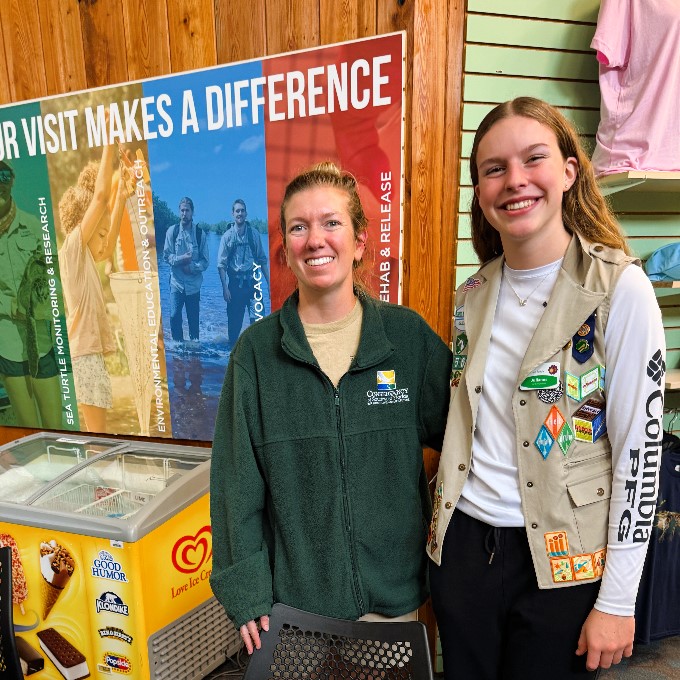
Through emails, calls, and meetings with staff at the Conservancy of Southwest Florida, she discovered that rehabilitation centers often struggle to provide enough enrichment due to time and resource constraints.
“The root cause of my issue is that animals in rehabilitation require an adequate amount of enrichment activities to engage and stimulate them,” she noted.
Designing and Building Solutions
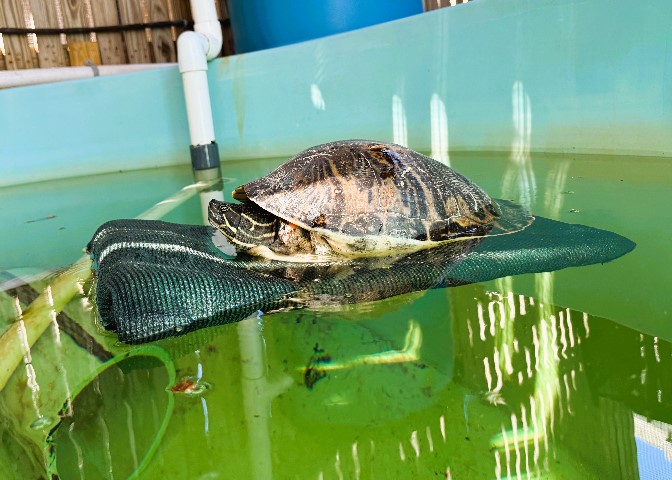
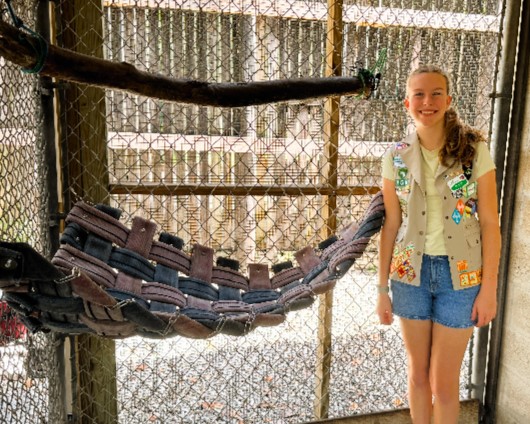
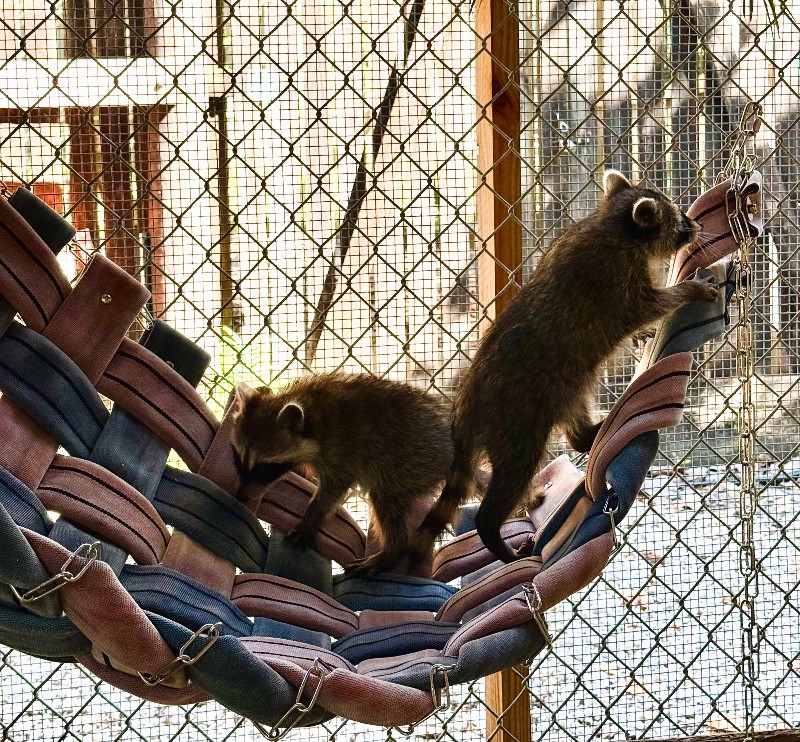
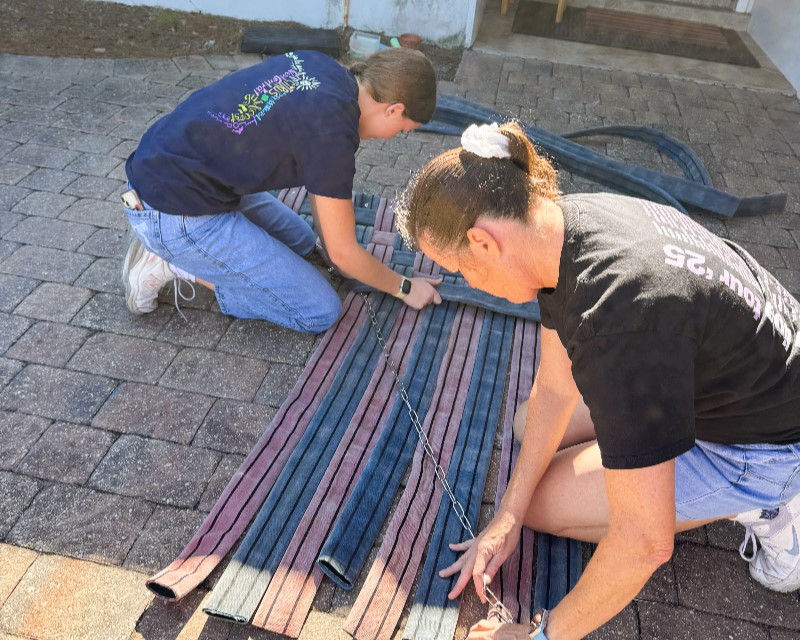
Informed by her research, Julianne got to work on practical solutions. She designed three firehose hammocks for small mammals. She also designed and built four floating PVC platforms for shorebirds and turtles.
“I was brainstorming what possible devices would help small mammals and shorebirds at the Conservancy,” she explained. Using materials donated by the Conservancy and local businesses, she assembled and tested each device, carefully considering safety and durability.
Julianne led a small team of volunteers, teaching them to cut, assemble, and secure the PVC platforms. Her leadership extended to planning, time management, and problem-solving throughout the project.
Engaging the Community
Julianne’s impact didn’t stop with building enrichment devices.
She brought her Gold Award to the public, setting up tables at the Paradise Sports Complex Fall Festival and the Collier County Museum Family Day. Visitors were able to see the enrichment devices in action and learn about animal welfare.
“Many people I spoke to didn’t really know what animal enrichment was, so this helped raise awareness about animal welfare and wildlife rehabilitation,” she said.
She also created an informational flyer explaining the concept of animal enrichment and how the Gold Award project supports it, ensuring the project’s sustainability beyond her involvement. “The flyer will continue to educate Conservancy visitors and volunteers,” Julianne said.
Lasting Impact
Animals at the Conservancy are now using the firehose hammocks and floating PVC platforms daily, reducing stress and improving mental stimulation. Volunteers and community members learned how to create their own enrichment activities, amplifying Julianne’s impact.
“Overall, I achieved my goal of increasing enrichment opportunities for rehabilitating animals and educating my community about the importance of animal enrichment and how to make these devices themselves,” she reflected.
Julianne’s Gold Award project demonstrates the power of research, hands-on problem solving, and community leadership. By combining creativity with compassion, she has left a tangible, lasting mark on both the local Conservancy and the broader conversation about wildlife rehabilitation.
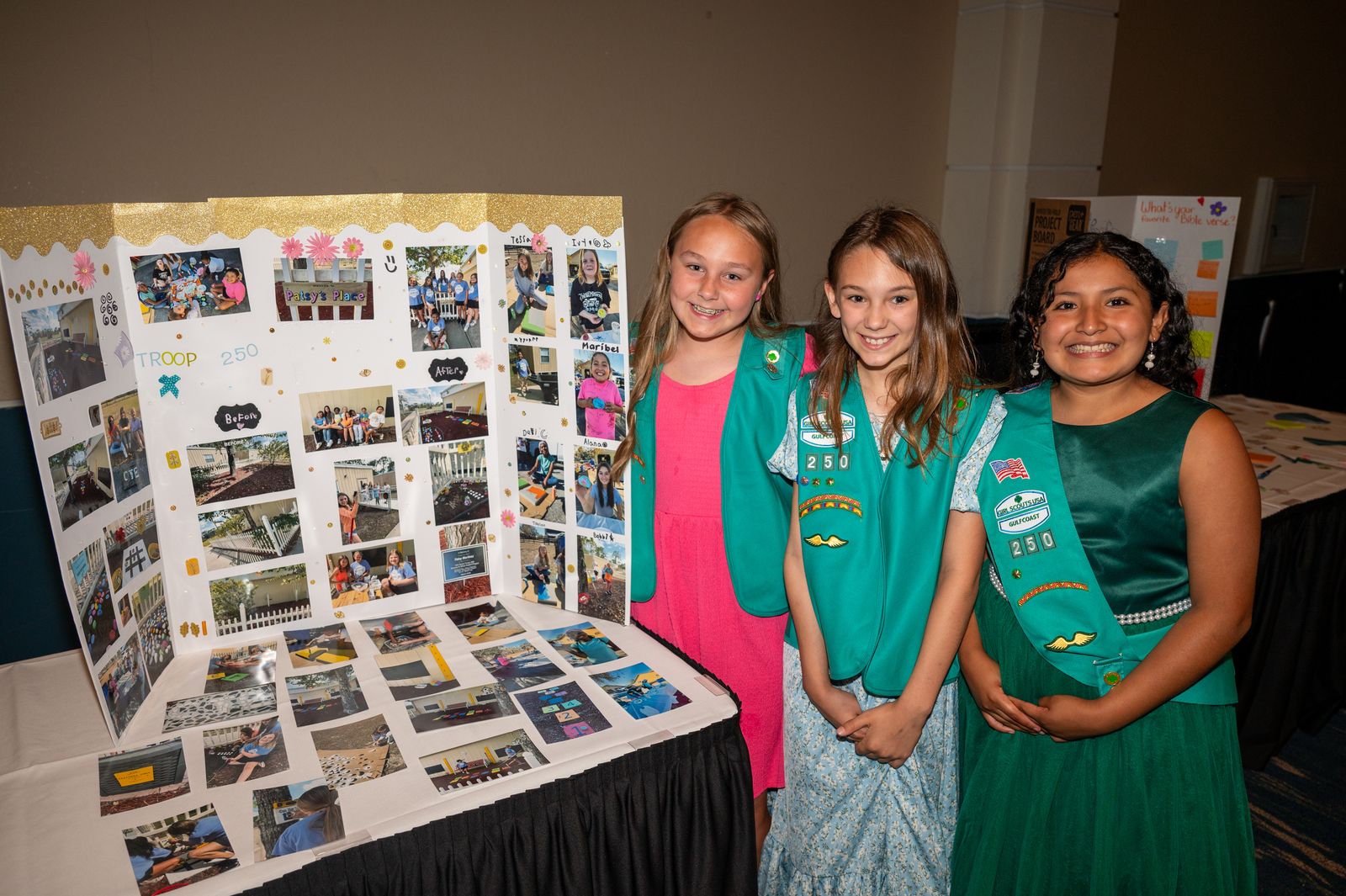
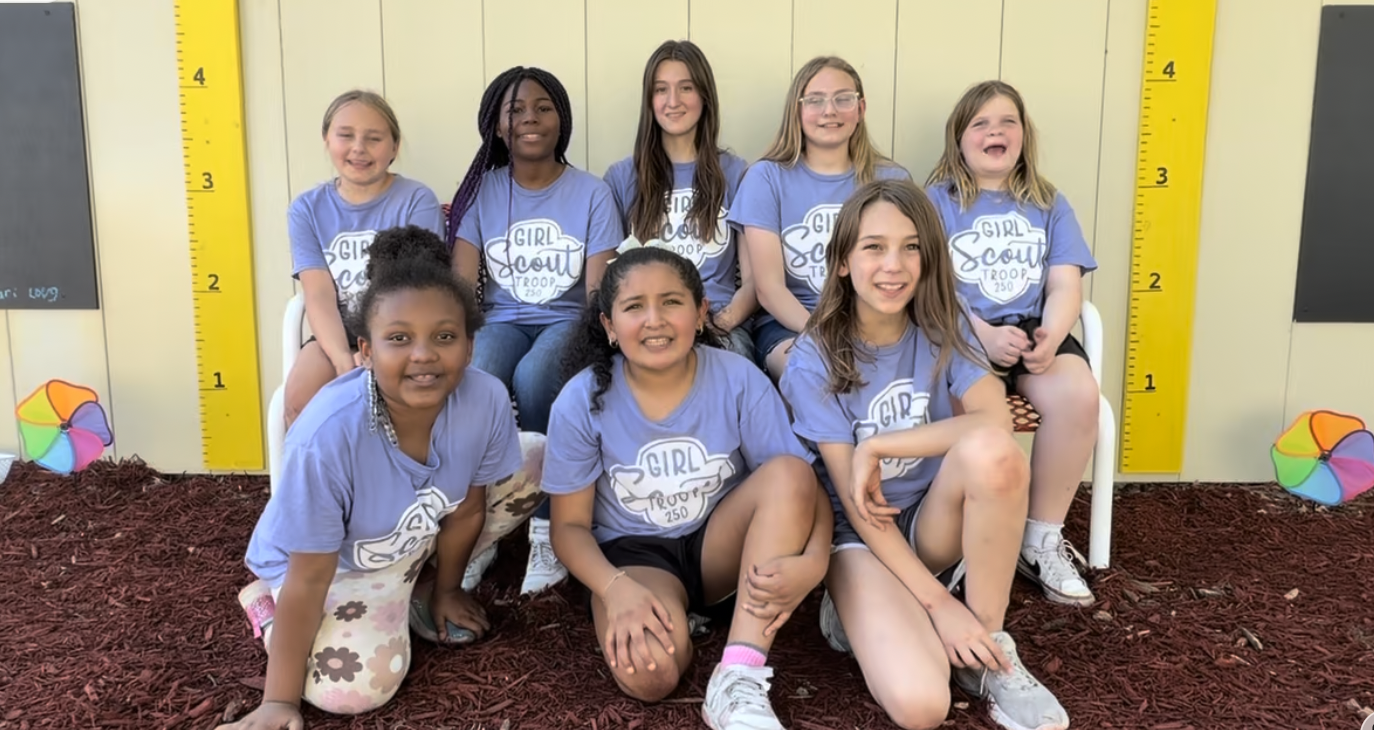
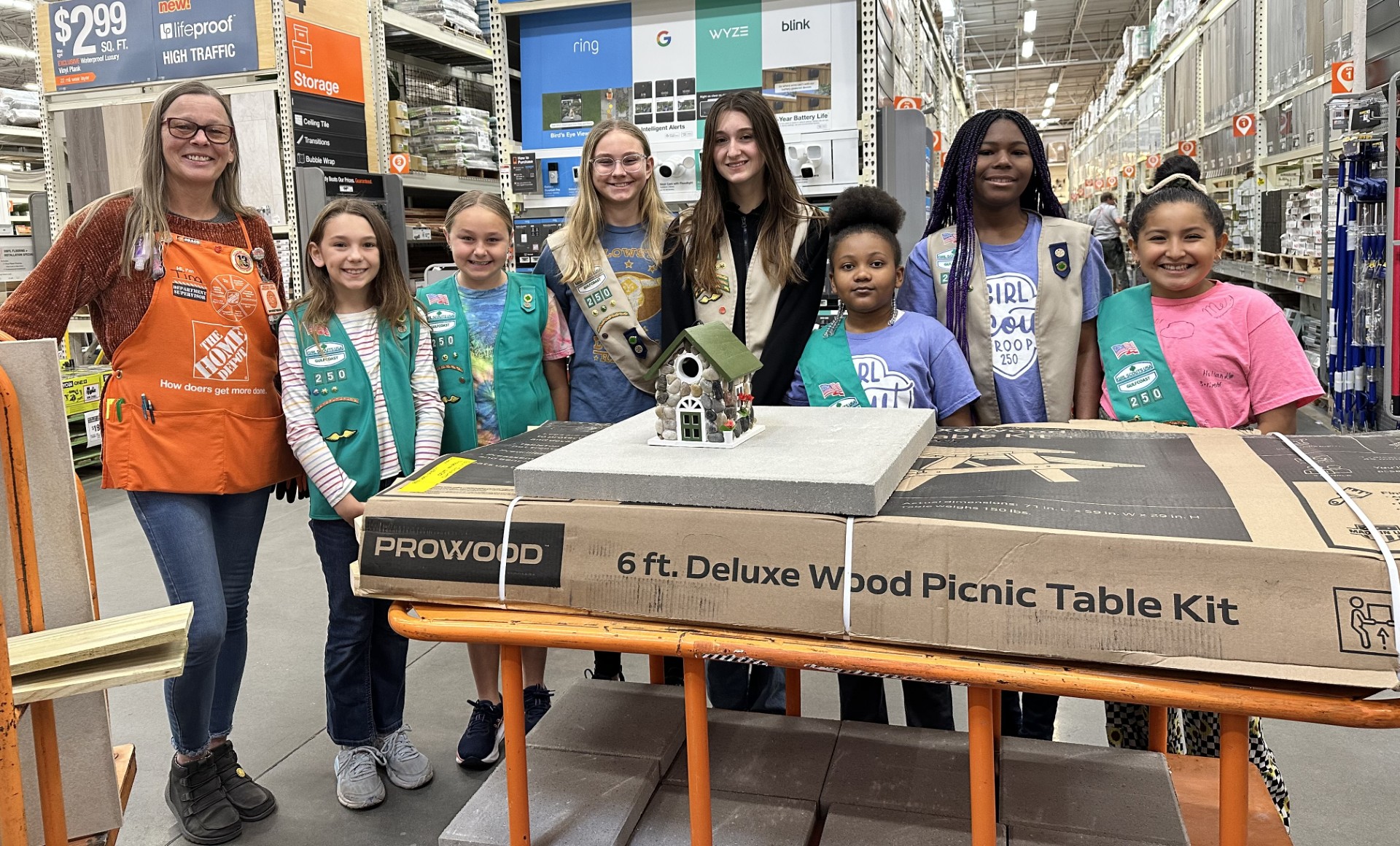
A team of Girl Scouts from Girl Scouts of Gulfcoast Florida Troop 250 has transformed an unused area at their elementary school, Cracker Trail Elementary, into a colorful outdoor learning space as part of their Girl Scout Bronze Award project. A group of Cadettes from the troop also earned the Silver Award by leading the project.
The group—Tessa B., Bobbi C., Ivy C., Mystari L., and Maribel A.—spent several months planning and building the space. Designed as a brain break and outdoor classroom, the new area gives students and teachers a place to step outside, learn, and recharge during the school day.
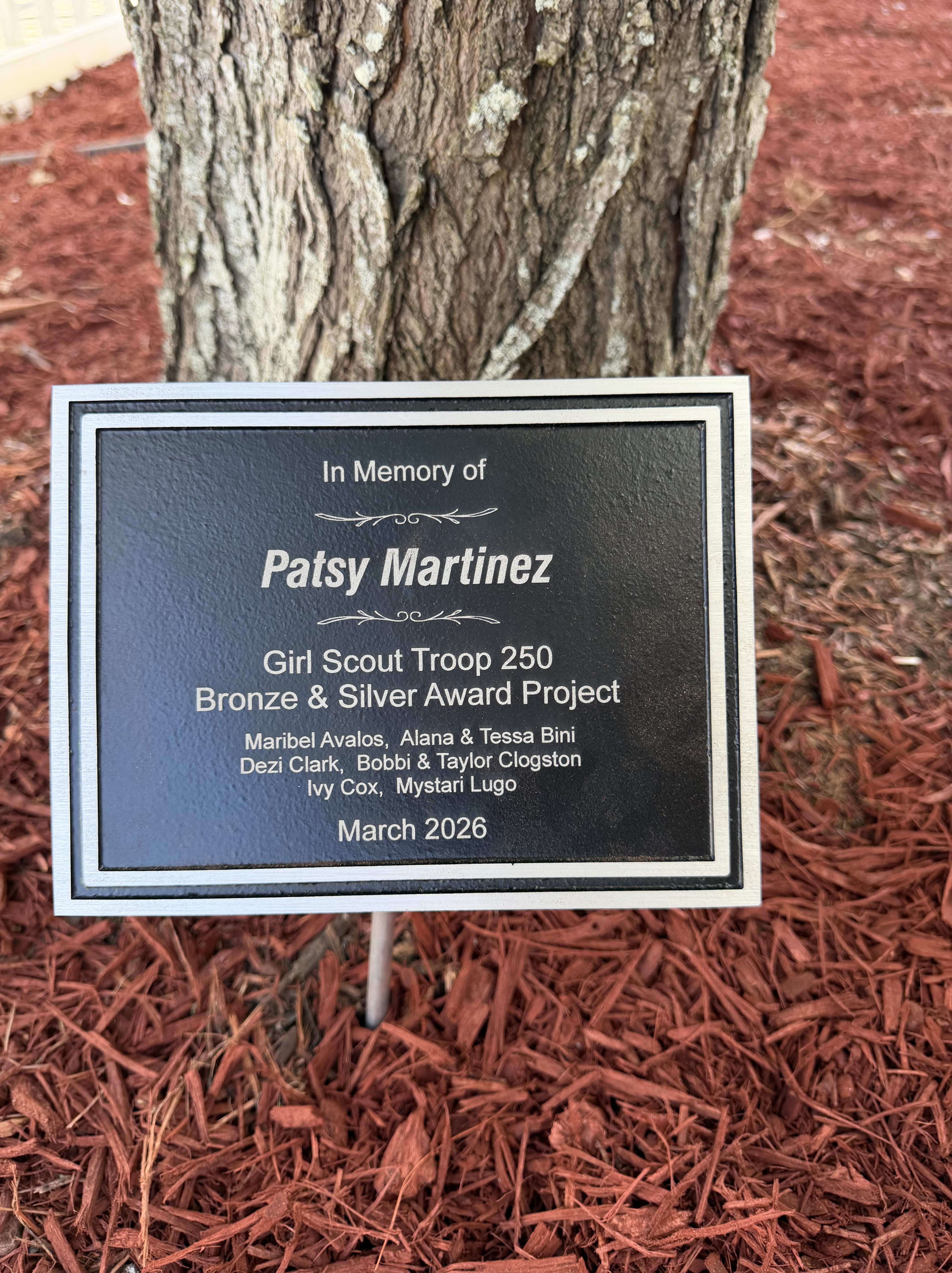
Dedicated in memory of a beloved educator
The girls named the outdoor classroom “Patsy’s Place” to honor a beloved school bookkeeper who had originally fenced the area and later passed away. They wanted to acknowledge her connection to the space and bring to life what they imagined might have been her vision for a welcoming place where students could learn and play.
The Girl Scout Bronze Award is the highest award a Girl Scout Junior can earn. It recognizes teamwork and leadership through a community service project that addresses a local need.
Today, Patsy’s Place is filled with activities that encourage creativity, movement, and hands-on learning.
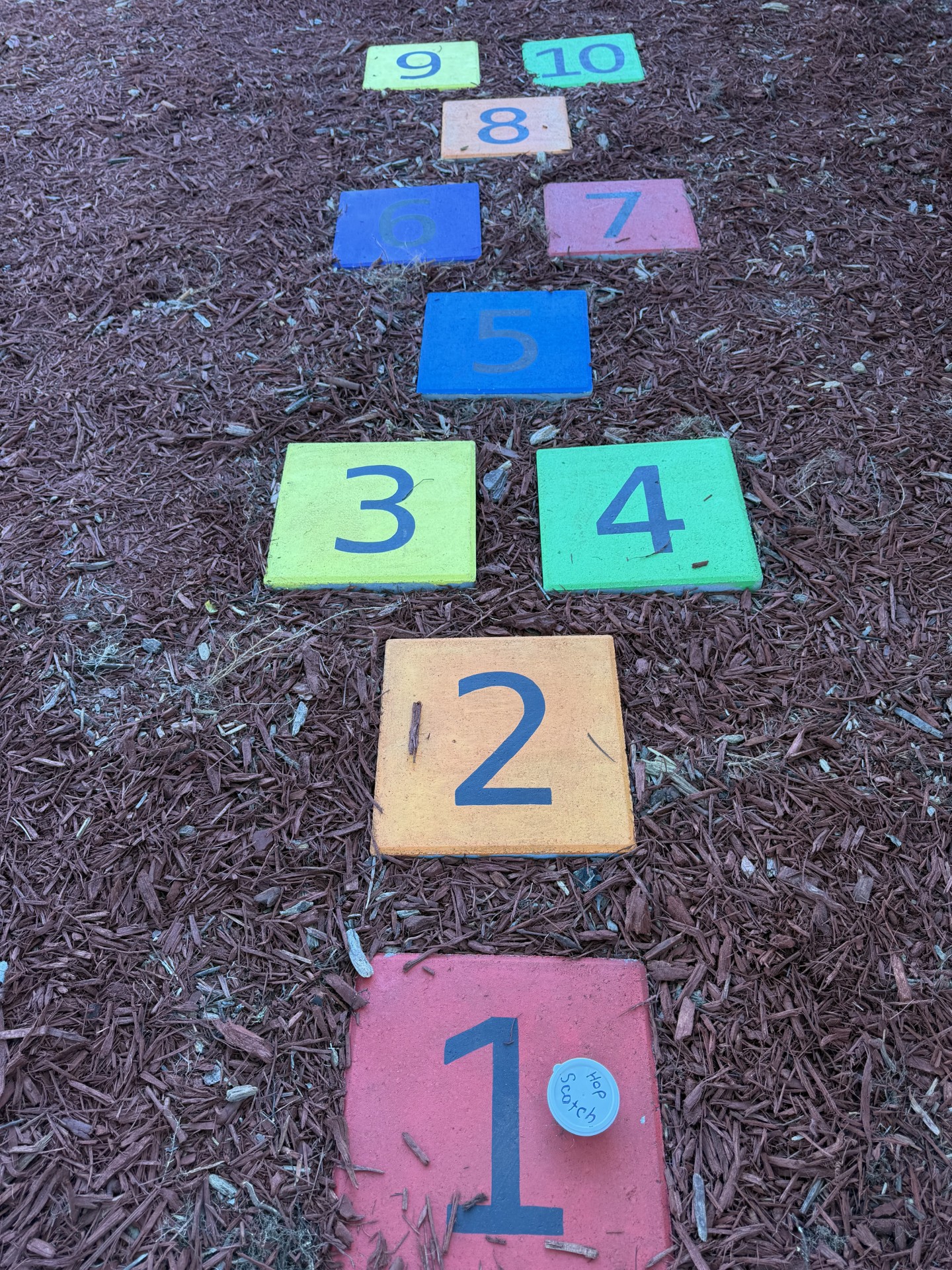
Students can write and draw on giant chalkboards, measure their height using oversized rulers, or practice coordination on a painted hopscotch course. The space also includes a birdhouse, an outdoor thermometer, and a variety of interactive stations.
Other features include:
A picnic table and bench for outdoor lessons
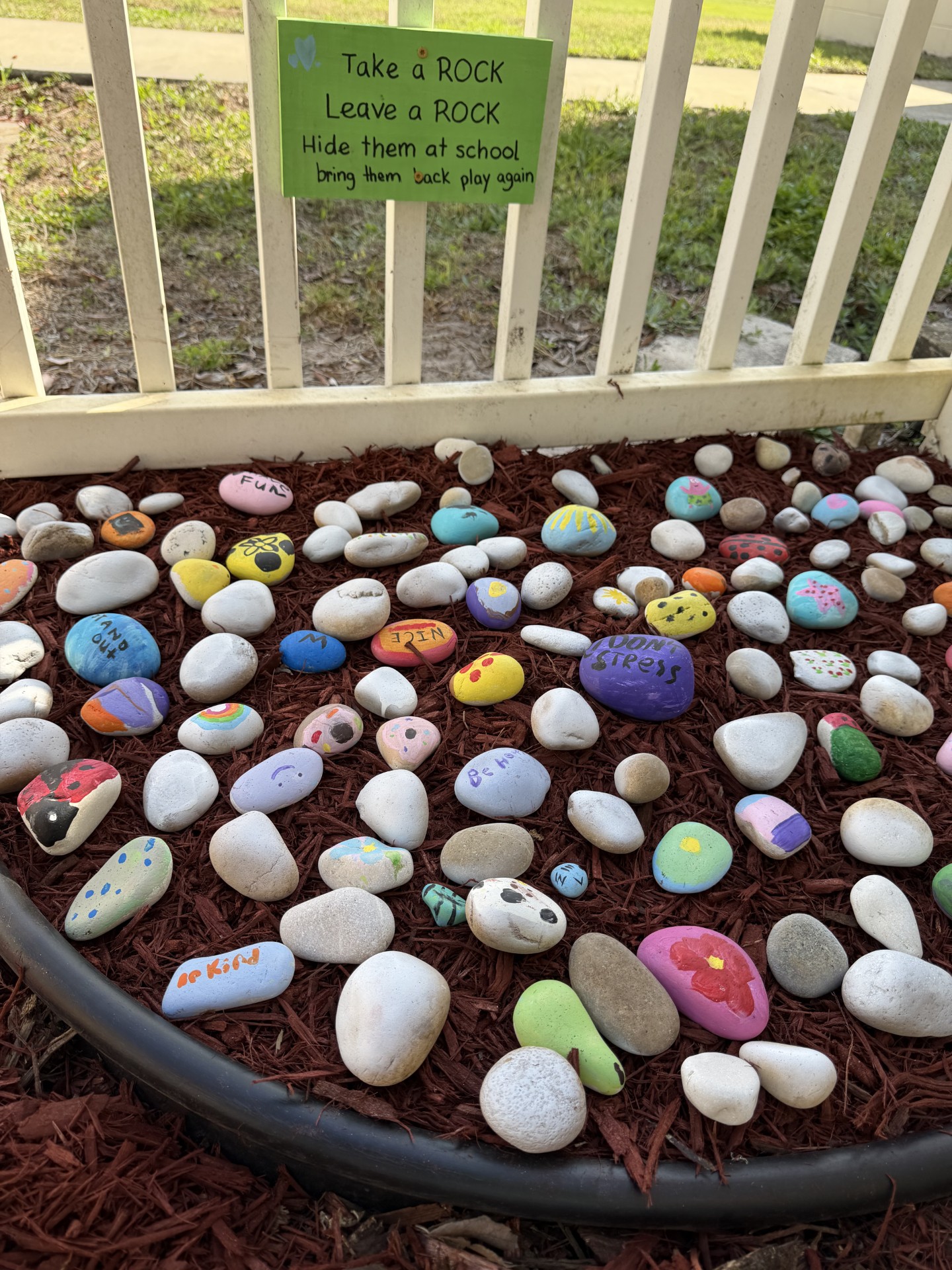
A “take, leave, or hide a rock” activity
Word rocks that allow students to build sentences
A giant tic-tac-toe game
A fairy garden activity area
A deck box stocked with supplies and bubbles
Together, these elements create a welcoming environment where students can take a break, explore, and learn in a different way.
Addressing a Need at School
The Girl Scouts chose this project after realizing that their school had limited outdoor areas available for students outside of the playground. They conducted research that confirmed that outdoor, nature-based activities directly improve classroom concentration, cognitive function, and engagement.
“There is not much outdoors at the school aside from the playground,” they explained. “This space was just empty, messy, and unfinished. Kids need outdoor fun—it helps them concentrate when in class.”
By transforming the space, the girls created a resource teachers can use during the school day while also giving students a place to relax and reset.
The project also served as a way for the troop to give back to the school where they once held their Girl Scout meetings.
“We saw this as an opportunity to create something fun for the school we attend,” they said. “It was also a thank you as we used to hold our meetings there.”
Learning how to make a budget
Like many Bronze Award projects, the team faced challenges along the way—particularly when it came to budgeting.
“The challenging part for us was budget,” they shared. “We wanted to do more or different things, but we had to fit the budget.”
By adjusting their plans and focusing on creative solutions, the girls were able to complete the project successfully and learn valuable money-management skills along the way.
Sharing Their Work
After completing Patsy’s Place, the girls created a video highlighting the new space and the activities available there. An older Girl Scout from their troop edited the video, which was later shown on the Cracker Trail Elementary News broadcast for students and staff.
“They will enjoy this space for years to come,” the girls said.
Advice for Future Bronze Award Girl Scouts
Through their creativity and hard work, Tessa B., Bobbi C., Ivy C., Mystari L., and Maribel A. have created a space that will serve students for years to come.
Completing the Bronze Award requires dedication and teamwork, but the girls say the experience is well worth the effort.
“If you tackle your Bronze Award know that it will be very hard work BUT when you are done and achieve your goal the feeling is amazing!” they shared. “It was also really fun teaming up with the older girls and tackling a HUGE project!”
In communities across the country, Safe Haven laws exist to protect newborns and provide desperate parents with a legal, safe alternative to abandonment. Yet for many people, these lifesaving laws remain unknown.
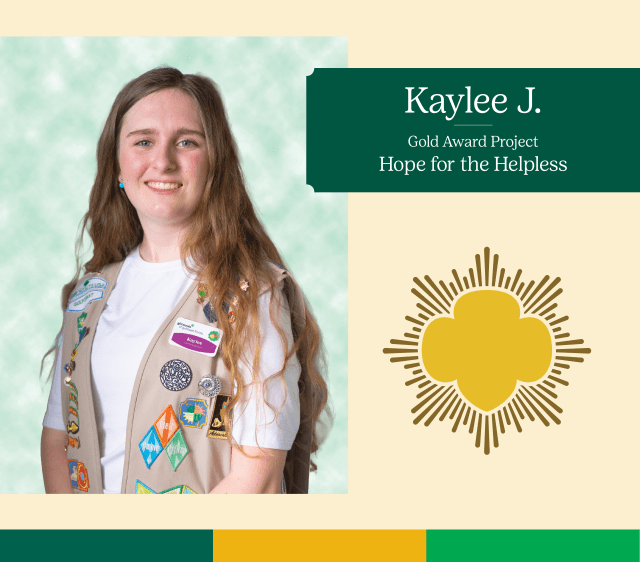
For Fort Myers Girl Scout Kaylee Jones, raising awareness about this issue became the focus of her Girl Scout Gold Award project — and ultimately led her to advocate for legislative change across the state of Florida.
Her project, “Hope for the Helpless,” sought to address the ongoing issue of infant abandonment by educating the public about Florida’s Safe Haven law and advocating for the inclusion of Safe Haven Baby Boxes as a legal surrender option.
Through nearly three years of research, advocacy, public speaking, and community outreach, Jones helped bring attention to an issue that she says often remains hidden in public conversation.
Understanding the Problem
Infant abandonment and neonaticide remain serious concerns in the United States. Research shows the risk of homicide is highest on the first day of life. Studies estimate around 85 newborns per year are killed or left to die by parents, which is why all 50 states have enacted Safe Haven laws allowing parents to safely surrender newborns without criminal penalty.
Despite these laws, many people remain unaware of how the law works or where they can safely surrender a baby.
“Even though there’s a Safe Haven law, there are still abandoned infant deaths either because the mother doesn’t know about the law or is too scared to surrender her baby in person,” Jones said in her final report.
Safe Haven Baby Boxes offer an additional option. Installed in fire stations or hospitals, the secure, climate-controlled boxes allow a parent to anonymously surrender a newborn. When the door is closed, a silent alarm alerts first responders inside the building to immediately retrieve the infant and begin care.
Driven By A Personal Connection
For Kaylee, the issue is deeply personal.
She was adopted after her birth parents faced a crisis pregnancy as teenagers.
“My birth parents tried to care for me for two months before placing me for adoption,” Jones said. “Learning about Safe Haven laws and hearing stories of crisis pregnancies made me more sympathetic to mothers and babies facing these situations.”
That personal connection fueled her determination to educate the public and advocate for expanded Safe Haven protections.
Taking Advocacy to the State Level
Kaylee began her project in June 2023 by researching Safe Haven Baby Boxes and contacting elected officials about the possibility of installing one in Fort Myers.
What began as a local initiative quickly expanded into statewide advocacy.
Encouraged by local leaders, Jones shifted her focus toward supporting legislation that would formally include Safe Haven Baby Boxes within Florida’s Safe Haven law.
Over the course of the project, she:
Met with local and state elected officials
Spoke at the Legislative Delegation meeting in Fort Myers
Delivered speeches before the Florida Senate in Tallahassee in both 2024 and 2025
Addressed community leaders at the Business People United Political Action Committee (BUPAC)
Advocated at the Lee County School Board for Safe Haven awareness materials in high schools
She also met with lawmakers, delivered informational binders to legislative offices, and encouraged community members to contact their representatives in support of the legislation.
Reaching Thousands Through Media
Jones’ efforts extended beyond government meetings.
Her project reached thousands through local media coverage and public awareness campaigns, including:
A televised interview on WINK News
Coverage in Naples Press
A radio appearance on “The Drive at Five” with Trey Radel
Educational presentations in schools and community meetings
Public outreach through posters, flyers, and social media
She also visited the headquarters of Safe Haven Baby Boxes in Indiana multiple times to learn more about the program and document the issue through video storytelling.
Jones later produced an informational YouTube video explaining Safe Haven laws and how Baby Boxes work, helping expand awareness beyond Southwest Florida.
Educating the Community
Kaylee conducted surveys during her outreach which revealed just how little awareness existed before her presentations.
Among those she spoke with:
73% had never heard of Safe Haven Baby Boxes
100% did not know where the nearest Baby Box was located
After hearing her presentations, every participant surveyed was able to correctly answer questions about the Safe Haven law and the safe surrender options available in Florida.
Kaylee said she hopes that knowledge will continue to spread through families and communities.
“If people know about these options,” she said, “it could save a baby’s life and prevent a mother in crisis from making a desperate decision.”
Creating Lasting Change
One of the most lasting outcomes of Jones’ project came in January 2026 when Fort Myers Mayor Kevin Anderson issued a proclamation establishing the first week of January as Safe Haven Awareness Week.
The proclamation ensures that awareness efforts will continue annually even after Jones graduates.
Her work also contributed to broader advocacy efforts that successfully pushed for Safe Haven Baby Boxes to be included in Florida law, helping reduce legal barriers for communities interested in installing them in the future.
Overcoming Challenges
Kaylee faced significant challenges during the project, including misinformation about Baby Boxes and difficulties securing local approval for installation.
Rather than ending her efforts, those challenges pushed her to focus more heavily on education and policy change.
“I thought this would be a simple thing to accomplish,” she reflected. “But the adversity made me more determined to keep spreading information and advocating for change.”
A Gold Award With Lasting Impact
The Girl Scout Gold Award is the highest honor in Girl Scouting, recognizing projects that create sustainable change and address community needs. Only 6% of eligible Girl Scouts earn the award by identifying a community issue, creating a unique and sustainable solution, leading a team, measuring the project’s impact, and educating the public about their cause.
Through “Hope for the Helpless,” Kaylee demonstrated leadership, resilience, and a commitment to public service.
Her work continues to educate communities about Safe Haven laws and provide hope for parents in crisis.
And most importantly, it carries a message that Jones believes every community should hear: Community awareness saves lives.
Three dedicated Girl Scout Cadettes from Troop 608 have earned the prestigious Girl Scout Silver Award—the highest award a Girl Scout Cadette can achieve—for creating and delivering sensory kits to children experiencing medical emergencies across Charlotte and South Sarasota Counties.
Addison B., Emma V., and Brinley E. identified a critical gap in care: while sensory kits were available in shelters, EMS units, and hospital emergency rooms through the Southwest Florida Healthcare Coalition, they were not available in local free-standing emergency departments or walk-in clinics—facilities where many families first seek care.
Their Take Action project, “Sensory Kits for Kids in Distress,” provided nine fully stocked sensory kits to three free-standing emergency departments and six walk-in clinics serving their community.
A Solution That Meets Kids Where They Are
Medical settings can be overwhelming, especially for children with special needs. Through research and partnership with the Healthcare Coalition, the Girl Scouts developed kits filled with calming, tactile, and comfort-focused items designed to reduce anxiety and help children regulate during stressful medical events.
Each kit included an inventory list and refill guide to ensure long-term sustainability. When delivering the kits, the Cadettes educated facility leadership on how to use and restock them—ensuring their impact continues far beyond the award project.
Two facilities surveyed the program and rated its usefulness 10 out of 10, affirming the immediate value of the girls’ work.
The project was powered by girl-led community partnerships.
To fund the project, each Girl Scout secured business sponsorships and worked within a detailed budget they created themselves. The team partnered with the Southwest Florida Healthcare Coalition for supply guidance and assembly support and received space sponsorship from HCA Florida Fawcett Hospital to host their packing event.
Throughout the project, the girls strengthened skills in public speaking, budgeting, collaboration, sponsorship outreach, and community education—hallmarks of the Girl Scout Leadership Experience.
“Public speaking is difficult for me,” shared Addison, “but working with my team made it easier. I also loved doing something kind for others.”
Emma reflected, “Now when I see a child in a scary medical setting—especially a child with extra needs—I understand better and feel more helpful.”
Brinley added, “We built relationships with local businesses that want to work with us again. That made me proud.”
A Model for Broader Impact
Healthcare Coalitions operate in every state, and the team plans to share their project model so other communities can replicate it. By addressing the root cause—lack of child-focused sensory support in smaller medical facilities—their solution creates a lasting, scalable impact.
The Girl Scout Silver Award requires approximately 50 hours of leadership, planning, and Take Action work per girl. These Cadettes exceeded expectations, demonstrating courage, confidence, and character while making their community stronger.
Because when Girl Scouts see a problem, they don’t just help—they lead.
About the Girl Scout Silver Award The Girl Scout Silver Award is the highest award a Girl Scout Cadette (grades 6–8) can earn. It recognizes girls who identify a community issue, investigate its root cause, and create a sustainable Take Action solution that delivers measurable impact.
Local Girl Scout Julianne Arthur has sold 50,000 boxes of Cookies over 13 years.
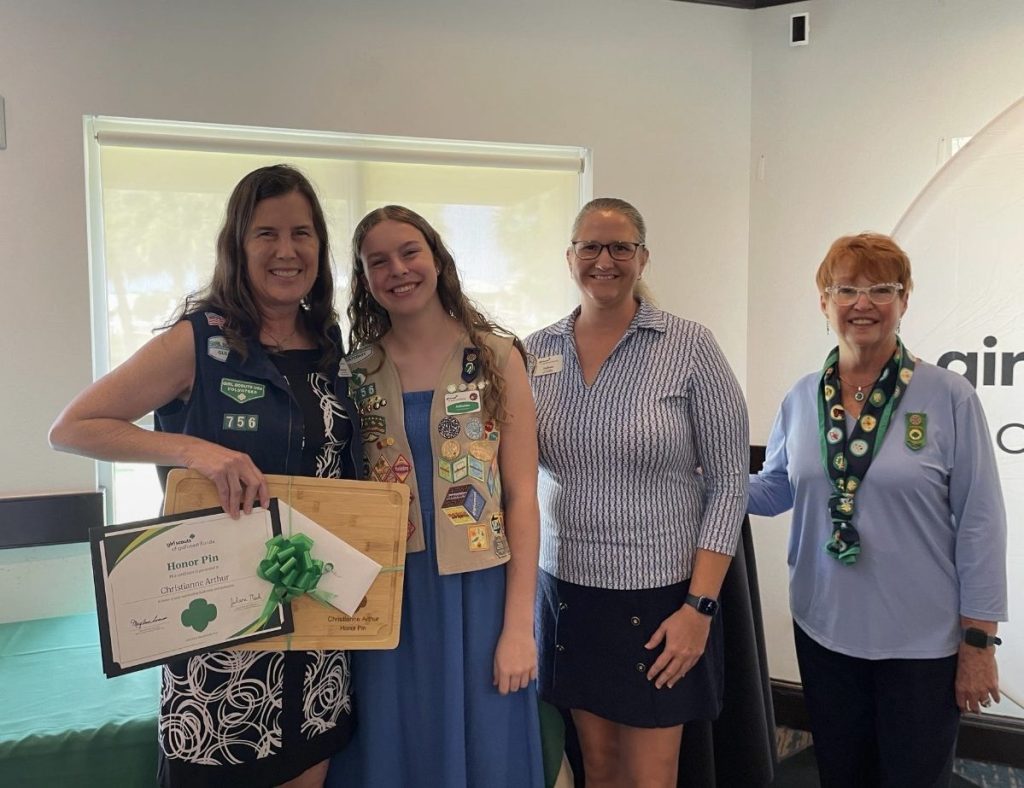
Julianne (center) sold 50,000 Cookies over 13 years. From left to right: Girl Scouts of Gulfcoast Florida (GSGCF) Board President Juliana Meek, mom Christianne Payne Arthur, GSGCF Product Program Manager Jodi Miller, and GSGCF CEO Mary Anne Servian.
Girl Scouts of Gulfcoast Florida Ambassador Julianne Arthur achieved a new council record officially selling her 50,000th box of Girl Scout Cookies on Saturday, Feb. 28th in Naples.
To total 50,000 boxes in 13 years, Julianne has sold an astonishing average of 3,846 boxes per year! For reference, the 2025 national per-girl average was 245 boxes.
Hitting a goal like this takes entrepreneurial grit and the consistent application of the five skills cultivated through the Cookie Program—goal setting, decision making, money management, people skills, and business ethics—all honed year after year through perseverance, confidence, and connection to community.
The 50,000th sale occurred at approximately 2:45 PM in front of the Publix Super Market at Pelican Bay in Naples.
In attendance were Girl Scouts of Gulfcoast Florida’s Board President Juliana Meek, CEO Mary Anne Servian, Product Program Manager Jodi Miller, Service Unit Manager Kim White, and Julianne’s family — her mom Christianne Payne Arthur, her dad Doug Arthur, brother Samuel, and her grandparents Dianne and Griff Payne — who came out to support the milestone moment.
“Julianne’s dedication and leadership over the past 13 years are truly remarkable,” said Mary Anne Servian, CEO of Girl Scouts of Gulfcoast Florida. “When you support local girls, they not only grow personally but also strengthen their communities, just as Julianne has. Through the Cookie Program, girls learn to set goals, manage money, build relationships, and run a business with integrity. Julianne has mastered these skills and used them to create learning opportunities and make a meaningful impact right here in our community. That is why this accomplishment is so significant—for our local council and for Girl Scouting as a whole.”
In the same week, Julianne completed her Girl Scout Gold Award project, the highest award a Girl Scout can earn. Her project, Enrichment Matters, addressed the lack of varied enrichment opportunities for small mammals and shorebirds undergoing rehabilitation at the Conservancy of Southwest Florida in Naples.
Julianne funded her project through proceeds earned during the Girl Scout Cookie Sale. Every dollar raised stays local, and Girl Scouts set individual goals for how they will use their earnings.
In previous years, Julianne’s Cookie proceeds helped her fund her Bronze Award and Silver Award projects, and even took her halfway across the world last summer when she embarked on a Girl Scouts Destinations trip to Japan!
In 2025, Julianne (second from left) and 10 other Girl Scouts embarked on a Girl Scout Destinations Trip to Japan, visiting the Arashiyama Bamboo Grove. For Julianne, the trip was funded entirelyby her Girl Scout Cookie sales.
Every year, her troop has donated hundreds of cases of Cookies to local veterans and to the Shelter for Abused Women and Children. Through the Gift of Caring and Hometown Heroes donation programs, customers can also contribute boxes that are distributed to organizations such as Soldiers’ Angels, military members overseas, and local hometown heroes including teachers, nurses, firefighters, pharmacists, doctors, and sheriff’s deputies.
Whether participating in educational programs, exploring new experiences and travel opportunities, or, like Julianne, funding impactful Take Action projects that benefit the community at large, every box sold directly supports the ambitions of local Girl Scouts.
Julianne in her Girl Scout Daisy uniform during her first cookie sale 13 years ago.Today, Julianne is a Girl Scout Ambassador. She has sold over 50,000 Cookies over the last 13 years to support local community service, educational experiences, and international travel.