Dorothy Vaughan: Meet the G.I.R.L.s Behind ‘Hidden Figures’

Dorothy Vaughan, Katherine Johnson, and Mary Jackson are the real-life go-getters, innovators, risk-takers, and leaders of Hidden Figures, the story of the African American women mathematicians behind some of NASA’s greatest victories. Follow along as we honor each of these inspiring women who broke through countless barriers around race, gender, and STEM (science, technology, engineering, and math).

Dorothy Vaughan—the Go-getter 

Dorothy Vaughan, Lessie Hunter, and Vivian Adair – the “Human Computers.” Image via NASA


“I changed what I could, and what I couldn’t, I endured.”

Dorothy Vaughan was born in Kansas City, Missouri, in 1910. Her mother passed away when she was only two years old and her father soon remarried. Her stepmother became a driving force for Dorothy’s education, teaching her to read before she entered school, which allowed Dorothy to advance two grades. At age eight, her father moved her family to Morgantown, West Virginia, where she eventually attended the Beechhurst School. Her hard work earned her valedictorian honors and a full scholarship to Wilberforce University, the country’s oldest private African-American college. She graduated with a bachelor’s degree in mathematics at the
age of 19.

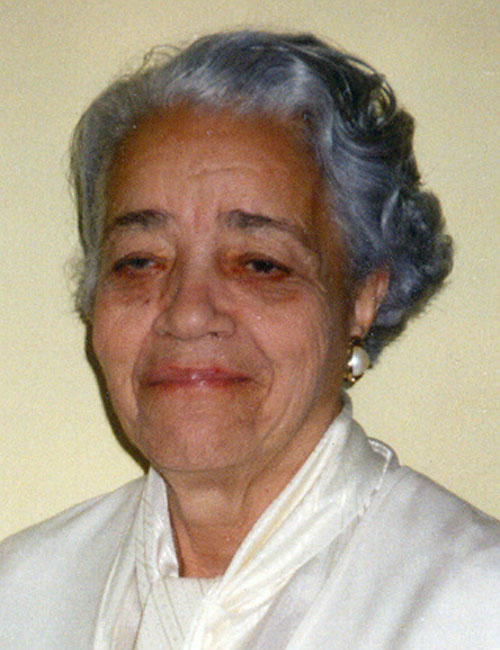
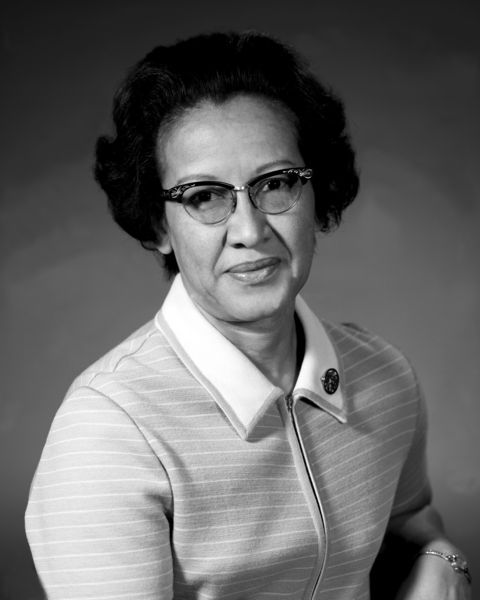
Dorothy Vaughan.
Image via the Human Computer Project

Dorothy soon set her sights on graduate studies at Howard University. Instead, because she felt she had a responsibility to help her family during the Great Depression, she took a job as a teacher—a difficult search during an economic turndown when school systems were slowly being shut. Eventually, Dorothy settled in Farmville, Virginia, where she met and married her husband, Howard, and had four children. Always fearing for her family’s future, Dorothy never turned down a chance to earn and save money. So, when she read an article announcing a search for African American women to fill mathematical jobs, she was intrigued.

In 1941, President Franklin D. Roosevelt signed Executive Order 8802 prohibiting racial discrimination in the national defense industry—including the National Advisory Committee for Aeronautics (NACA), now National Aeronautics and Space Administration (NASA). Thanks to the executive order, Dorothy was one of the first African American women to be hired as a NACA mathematician and was assigned to the West Area Computers group.

Dorothy was responsible for calculating computations for engineers to help them conduct aeronautical experiments in wind tunnels—all to improve space flight accuracy. By 1949, Dorothy had become the first African-American supervisor at NACA (even though the official title was not given to her until years later). She was responsible for teaching new concepts to new and existing employees—Katherine Johnson was once assigned to Dorothy’s group prior to her transfer to Langley’s Flight Mechanics Division. This position gave Dorothy visibility and allowed her to advocate for female employees, both African-American and white, who deserved promotions or raises.

Dorothy Vaughan. Image via Daily Press

When NACA became NASA, Dorothy joined the Analysis and Computation Division where she did some of the first computer programming and became proficient in coding languages. These skills helped her earn a place with the Scout Launch Vehicle Program, one of the country’s most successful launch vehicles, capable of sending 385-pound satellites into orbit. Near the end of her career, Dorothy, along with Mary Jackson, had the opportunity to work closely with Katherine Johnson again to launch astronaut John Glenn into orbit—a turning point in the global space race.

Despite her efforts, Dorothy never received another management role before she retired in 1971, but that didn’t stop this go-getter! She consistently advocated for herself and her peers and accepted any challenge that came her way. She was the leader that the West Area Computers and NASA needed to make some of most incredible space adventures in history successful.

Source: Dorothy Vaughan: Meet the G.I.R.L.s Behind ‘Hidden Figures’

Katherine Johnson: Meet the G.I.R.L.s Behind ‘Hidden Figures’

Katherine Johnson, Dorothy Vaughan, and Mary Jackson are the real-life go-getters, innovators, risk-takers, and leaders of Hidden Figures, the story of the African American women mathematicians behind some of NASA’s greatest victories. Follow along as we honor each of these inspiring women who broke through countless barriers around race, gender, and STEM (science, technology, engineering, and math).

Katherine Johnson—the Risk-taker

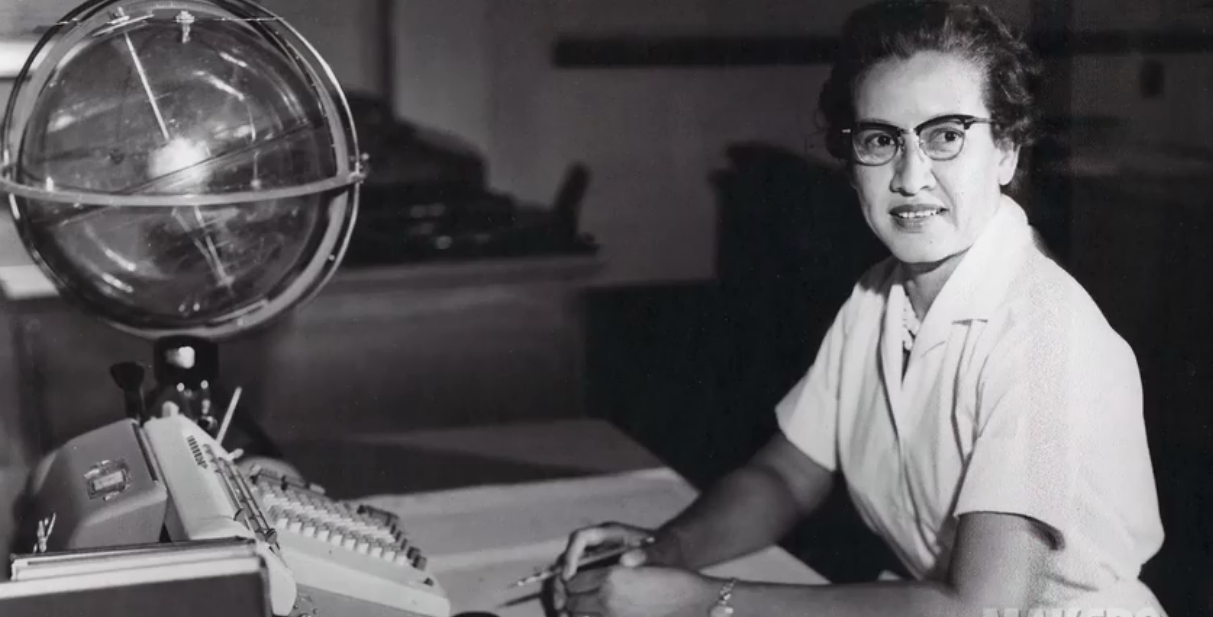
Katherine Johnson at her desk. Image via NASA


“Luck is a combination of preparation and opportunity. If you’re prepared and the opportunity comes up, it’s your good fortune to have been in the right place at the right time and to have been prepared for the job.”

As far back as she remembers, Katherine Johnson had a love of counting.

“I counted everything. I counted the steps to the road, the steps up to church, the number of dishes and silverware I washed … anything that could be counted, I did.”

Her classes came easy to her; in fact, she completed eighth grade by the age of 10. And because her county did not provide higher education for African American students after eighth grade, Katherine’s father moved the family 120 miles away so she could attend high school. She adjusted to her new school quickly and finished four years later.

Katherine Johnson, 1971. Image vis NASA

Soon after, Katherine attended West Virginia State College, graduating summa cum laude with degrees in math and French—at the age of 18. The following year, she became the first African-American woman to desegregate the graduate school at West Virginia University; however, she felt unwelcomed and left to pursue teaching.

In 1939, Katherine married James Francis Goble. They had three daughters—Joylette, Katherine, and Constance—all of whom were Girl Scouts! Although Katherine had to work incredibly hard to provide for her family, she enjoyed teaching, feeling it was her responsibility to instill discipline and self-respect in her students and help advance the African American community.

It was in 1952 that a life-changing opportunity came knocking at Katherine’s door. On learning that the National Advisory Committee for Aeronautics (NACA), later to become NASA, was hiring African American women to serve as “computers,” checking calculations for technological developments, Katherine joined the effort. She quickly caught the attention of her new bosses and was asked to temporarily join the all-male flight research team. While the racial and gender barriers were still there, Katherine ignored them and simply asked to be included in meetings, insisting that she had done the work and she belonged. Her temporary position with the team soon became permanent.

Katherine Johnson receiving the Presidential Medal of Freedom.
Image via the White House

By 1959 Katherine was in charge of calculating the trajectory for the space flight of Alan Shepard, the first American in space. How did she get that job? She took a risk—she stood up and made clear her intent. She told her boss, “You tell me when you want it and where you want it to land, and I’ll do it backwards and tell you when to take off.” She was never questioned again. In fact, in 1962, NASA started using computers for the first time—but it relied on Katherine to verify the numbers. Katherine’s remarkable accuracy soon led to the historic Apollo 11 mission that successfully landed the first humans on the moon.

Katherine continued to serve as a key asset for NASA until her retirement in 1986. In 2015, she was awarded the Presidential Medal of Freedom, our nation’s highest civilian honor, for pioneering the advancement of African American women in STEM. Today, her groundbreaking work and unwavering spirit continue to inspire girls and women around the world.

Source: Katherine Johnson: Meet the G.I.R.L.s Behind ‘Hidden Figures’

Bling Your Booth and Join Cookie Troop 100

2017_cookie_troop_100_home_page_hero%5b4%5dIn honor of the 100th anniversary of the first known sale of cookies by Girl Scouts, we’re taking #BlingYourBooth to a whole new level by inviting you to be a part of the new Cookie Troop 100.
Here’s how:

  • Set a troop goal and share the plan for your cookie money—what amazing stuff will you do to improve your community this year?
  • Earn a Cookie Business badge—you can take your pick!
  • As a troop, ask 100 new customers to buy cookies.
  • Bling Your Booth. Gather your troop and get those creative juices flowing to come up with a fun theme—a party, a race, a cookie disco—what will it be? You can even give it a Cookie Troop 100 twist. Just remember to snap a cool photo!
  • Submit your entry by April 30, 2017.

One lucky troop from every council around the country will win $100 to put toward its awesome cookie Take Action or service project. And one very lucky troop will win $3,000 to super power its project!

Every participant will also unlock her very own Cookie Troop 100 patch! Enter the Cookie Troop 100 Challenge today! 

Need some inspiration for your blinged-out cookie booth? Check out last year’s winners or follow along on Pinterest!

Source: Bling Your Booth and Join Cookie Troop 100

A Tribute to Debbie Reynolds and Carrie Fisher

Actresses, leaders, sources of inspiration—and true Girl Scouts. This week, the world had to say goodbye to two phenomenal women who exemplify what it is to be a G.I.R.L. (Go-getter, Innovator, Risk-taker, Leader)™: Debbie Reynolds and her daughter, Carrie Fisher.

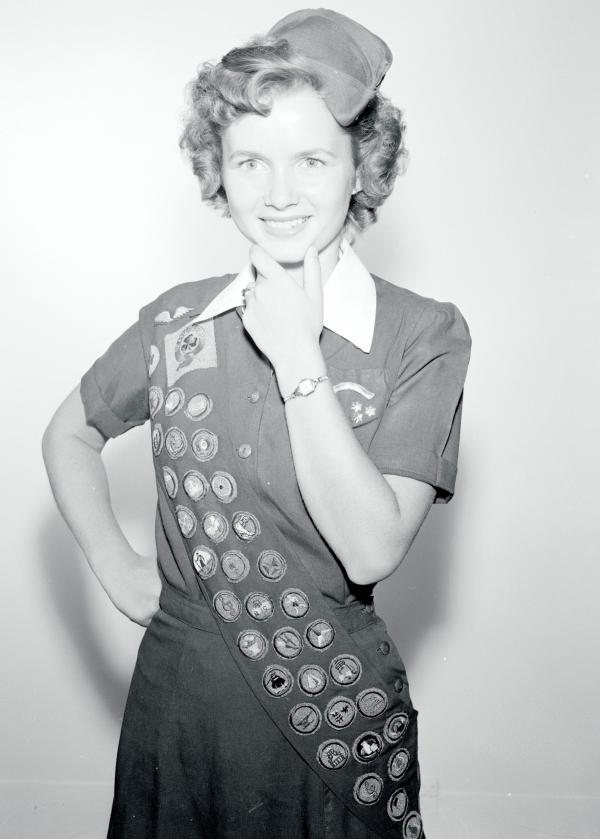
Debbie Reynolds in her Girl Scout uniform.
Getty Images via CNN


Debbie Reynolds
Debbie Reynolds had a humble upbringing and was a supporter of Girl Scouts from the very beginning. A Girl Scout herself, she earned more than 42 badges and even joked that she wanted to become the world’s oldest living Girl Scout.Troop leader of her daughter’s and stepdaughter’s troop, Reynolds participated in the Girl Scout Piper Project, a three-year program launched at the National Council meeting (referring to Girl Scouts’ national convention) in 1966 to encourage more girls to participate in Girl Scouts. As honorary national piper, she shared her Girl Scout experience through her song “Follow the Piper.”

Reynolds’ Girl Scout experience even came in handy the day she met her Singin’ in the Rain costar, Gene Kelly. Unaware that she had no real dance experience, Kelly asked her if she could do a time-step, and she happily replied, “Yes, I learned it at Girl Scout camp!”1 Singin’ in the Rain became one of Reynolds’ most challenging experiences, but her hard work and dedication earned her instant fame and led to renowned roles in films such as The Unsinkable Molly Brown, How the West Was Won, and Mother.

Later in her acting career, Reynolds was asked by a friend, “When are you going to get over being a Girl Scout?” And her response? “Never. I like being a Girl Scout.”

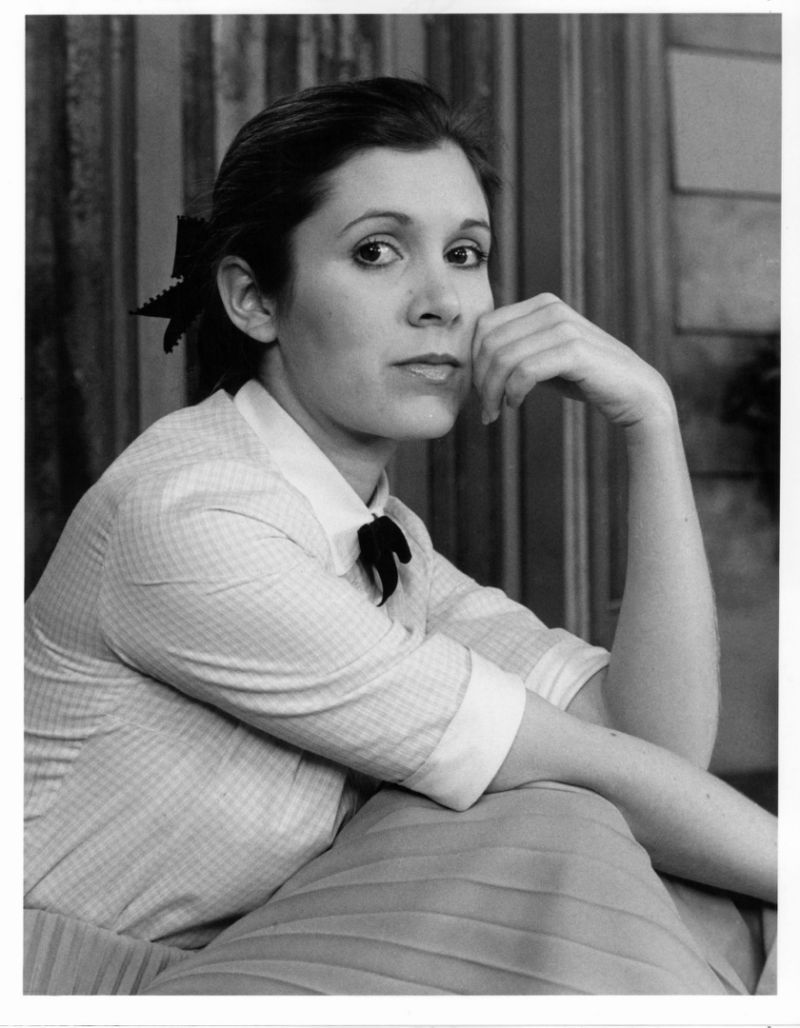
Carrie Fisher
Getty Images, via Yahoo


Carrie Fisher
When she wasn’t leading secret missions, befriending Ewoks, or saving the galaxy, Carrie Fisher was a writer and producer, an advocate for mental health and drug abuse awareness, and a force for female empowerment.Known as the family bookworm, Fisher spent much of her childhood reading classic literature and writing poetry. She was introduced to acting and singing at the age of 15, performing as a debutante in the Broadway revival Irene, alongside her mother. After spending 18 months at London’s Central School of Speech and Drama, Fisher was accepted into Sarah Lawrence College, though she didn’t graduate due to her taking on the role of Princess Leia Organa in Star Wars.

Her success as the fearless princess (and later general) of the Star Wars saga led Fisher to roles in The Blues Brothers, Hannah and Her Sisters, and When Harry Met Sally. She also never left her love of writing, penning several semi-autobiographical novels and successful screenplays—one of which, These Old Broads, starred her mother along with Elizabeth Taylor, Joan Collins, and Shirley MacLaine.

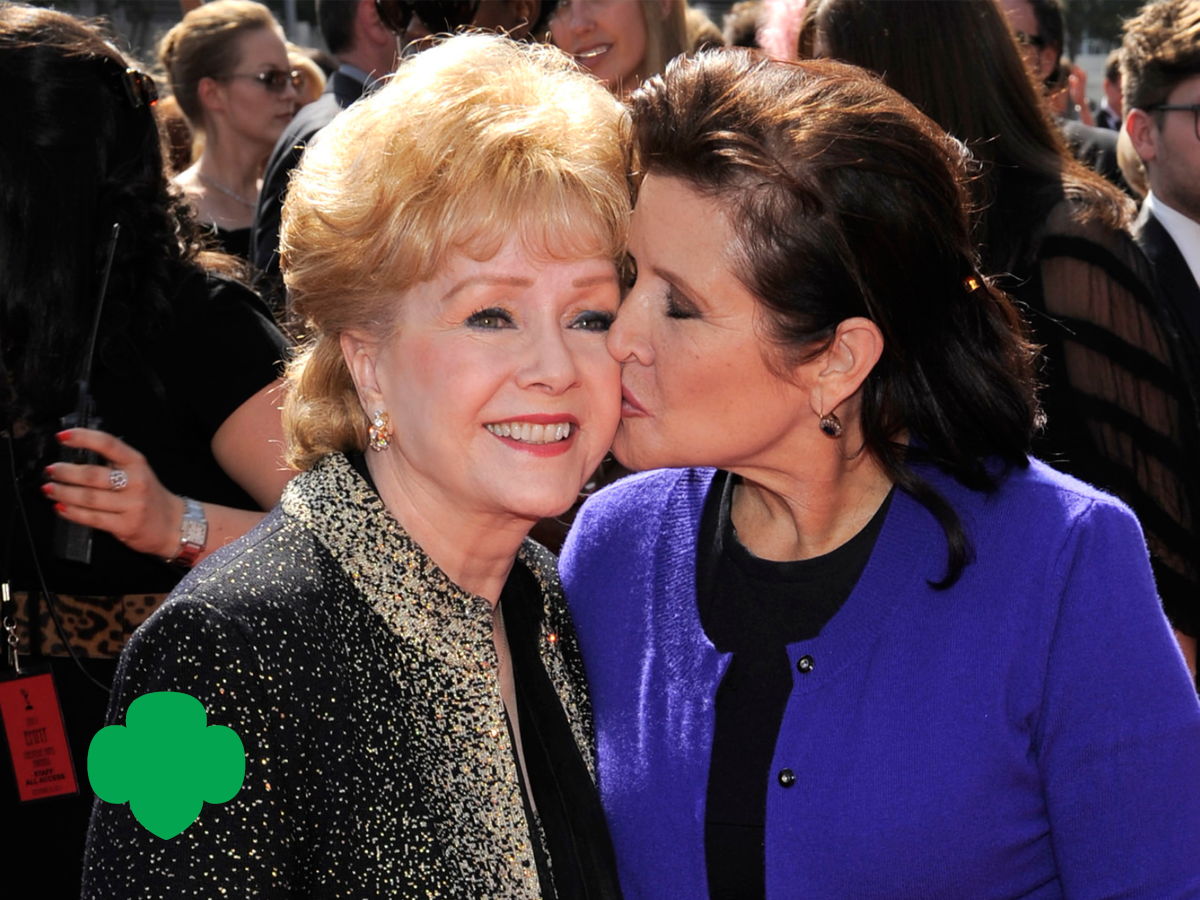
Debbie Reynolds and Carrie Fisher
Ron Galella/WireImage, via ENews

We applaud and will always fondly remember Debbie Reynolds and Carrie Fisher as original go-getters, innovators, risk-takers, and leaders who inspire girls to work hard and never give up in achieving their dreams. Rest in peace, Girl Scouts.

1: “7 Fun Facts About the Unsinkable Debbie Reynolds,” Biography.com

Source: A Tribute to Debbie Reynolds and Carrie Fisher

Girl Scouts Take the Lead to Advance United Nations’ Global Sustainable Development Goals

There’s no goal too big for Girl Scouts to tackle—that’s for sure! Whether it’s harvesting a community garden they planted to feed the hungry, developing innovative solutions to curtail declining bee populations, or initiating programs to combat bullying in schools, Girl Scouts are the go-getters, innovators, risk-takers, and leaders who take action every single day to create a better world for us all.

On September 25, 2015, the 193 countries of the United Nations adopted a set of global goals to help transform our world by ending poverty, protecting the planet, and ensuring prosperity and peace through partnership as part of a sustainable development agenda.

In the agenda, UN leaders detail their ambitious and transformational vision for a better world, while providing a glimpse into our current challenges and discussing the steps we can take to solve them on an international, sustainable scale.

This is where Girl Scouts comes in! As the leaders and change-makers of today and tomorrow, we are prepared to play a role and continue to work together to build a better world—much like the one the UN is envisioning. Color us inspired!

So in support of these sustainable development goals and this extraordinary vision of hope and change, we are rallying Girl Scouts to share how they’re already taking action to contribute to a better, more sustainable future by working specifically to support advancement in the following areas:

• Poverty
• Life on land / Life below water
• Food Security and Hunger
• Health
• Education
• Gender equality / women and girls’ empowerment
• Environment

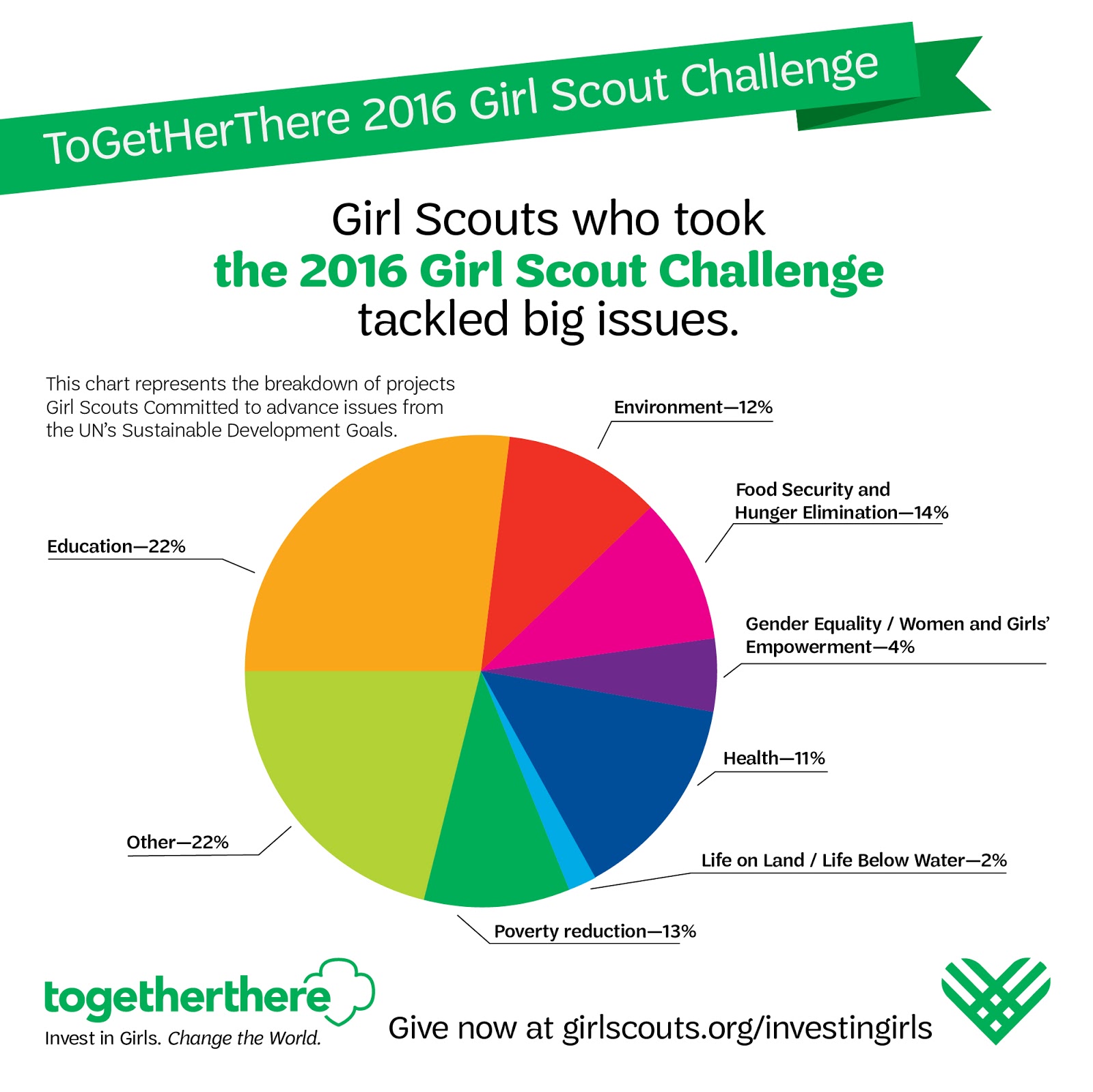
And guess what? In the past few weeks alone, Girl Scouts who have participated in ToGetHerThere: The Girl Scout Challenge have clocked in over 44,000 hours of work to advance these sustainable development goals—so amazing!

And what’s even more amazing? Girl Scouts participating in the challenge volunteered (on average) more than 89.46 hours, compared to a national average of 36 hours in a year.* Among the project categories of Girl Scout submissions, girls dedicated the most hours in total towards projects within education, reflecting Girl Scouts’ desire to create sustainable progress in society. Girls are not only empowering themselves, but also empowering others through education, which impacts the world’s future potential. Education was followed by, respectively, health, poverty, gender equality and empowering women and girls, food security and hunger, environment, and life on land and life below water.

Check out how Girl Scouts are taking the lead to build a better world for us all, and help us show the world what girls are made of. Share these stories on social media and invest in her and your future by becoming a Girl Scout donor, today. Your investment makes possible critical, life-changing, girl-led programming, while also supporting each girl during a crucial time in her life and development—a gift that will continue to benefit her and society for years to come. Because when girls succeed, we all win.

Invest in girls. Change the world.

DONATE NOW

Multiply the impact. Challenge five of your friends to do the same!

*Source for national average, all ages: U.S. Census

Source: Girl Scouts Take the Lead to Advance United Nations’ Global Sustainable Development Goals

This Giving Tuesday Think Girl Scouts, Think Major Impact!

Whether they’re feeding the hungry in their community with both food and kindness, making life more comfortable for furry friends at the local animal shelter, or planting an eco-friendly rain garden (just to share a few examples!), Girl Scouts have been busy building a better world all year long. In fact, Girl Scout Gold Award recipients alone have dedicated 500,000 hours of service to their communities this year—an impressive number representing only a fraction of service hours Girl Scouts spend improving our communities and the world every day.

tght-giving-tuesday-social_1200x1200_v3

Now it’s your turn to take the lead like a Girl Scout and help us build a better world! That’s right. November 29th is Giving Tuesday—when we take a pause from the hectic holiday season to support and honor organizations like Girl Scouts, working so hard and so passionately to make our future a little brighter for girls and for everyone. And we’re asking you to be part of the impact.

But first, let’s get inspired—together! Check out some of our amazing G.I.R.L. (Go-getter, Innovator, Risk-taker, Leader)® stories and learn about how Girl Scouts are creating positive change. And while you’re at it, invite five friends to get inspired right along with you!

See that? Your investment makes possible critical, life-changing, girl-led programming that combines life skills, STEM, the outdoors, and entrepreneurship with civic engagement: everything girls need to build a better world today and tomorrow—for her, for you, and for all of us.

It’s a fact: Girl Scouts are the leaders and change-makers of today and tomorrow. Your gift will support her now during a critical time in her life and development, and continue to benefit her and society for years to come. Now that’s what we call impact!

This Giving Tuesday, give to Girl Scouts—and build a better world.

DONATE NOW


Source: This Giving Tuesday Think Girl Scouts, Think Major Impact!

8 Ways to Celebrate the Girl Scout Float from Home This Thanksgiving

Source: 8 Ways to Celebrate the Girl Scout Float from Home This Thanksgiving

5 Ways to Shake up Your Family’s Halloween Routine

loritomlinson's avatarGirl Scouts of Gulfcoast Florida, Inc.

lamp-halloween-lantern-pumpkinYou’ve carved the pumpkin. You’ve bobbed for apples. You already had to replace that stash of candy meant for trick-or-treaters. While Halloween is a favored time of year for many families, the routine can become as stale as last year’s candy corn.

There are many creative ways to perk up your Girl Scout family’s Halloween celebration without spending a lot of money, AND while reinforcing the things your daughter is learning in school (works for boys, too!). Here are just a few:

1. Integrate a few science-related activities into your celebration. A quick internet search for “Halloween science experiments” can lead to anything from monster slime and bubbling brew to alien eyeballs and flaming ghosts.  Click here for fun suggestions to get you started. BONUS: Capture the experiments on video, and stash the file away for your kids to share with their children someday.

20920123141_495a03d391_o2. Explore your family history and cultural heritage through Halloween traditions. Spend some time with your…

View original post 404 more words

Paying Tribute: Dr. Elinor Crawford

by Sue Stewart, CEO, Girl Scouts of Gulfcoast Florida, Inc.

We are saddened to share that our friend and champion, Dr. Elinor Crawford, died on Saturday, August 27 following a brief illness.

1a1b71b1-436e-46f2-9ce0-e420d69ab586

We remember her for so many reasons. She was a friend, advocate for all women and girls, creator of the Sanibel Shelling program with Betty Ethal, board member, committee member and so much more. In 1987 she was a member of the Girl Scout Scholarship Committee which was subsequently renamed The Dr. Elinor Crawford Girl Scout College Scholarship Fund, in her honor. She served on the committee up through this past year and was proud to read each application and girl story. She saved all the thank you letters written by the girls and savored their accomplishments.

Elinor was a community leader and a founding member of numerous local organizations such as The Women’s Resource Center, UN Women, and American Association of University Women, to name a few. She and Betty enjoyed their civic engagement, friends from throughout the country, and travel.

2014 Scholarship

As a professor of physical education at the University of Northern Iowa for thirty years, she served as a member of the committee that contributed to the writing and passage of Title IX, the most significant piece of federal legislation impacting girls and women in education. As one of her friends shared, “I hope Elinor watched the Olympics. If not for her work, we would not have seen the incredible successes of the girls and women in Rio, and their significant awards resulting in Gold.”

Dr. Elinor Crawford was a woman of courage, confidence, and character, who changed the world. She leaves behind her dear friend Susan Chapman, a niece, many friends throughout the country, and thousands of Girl Scout sisters — women and girls — past, present and future. A service and celebration of life will be held at the Girl Scout Event and Conference Center. Arrangements are pending.

Going for the (Girl Scout) Silver

A new year means new groups of girls are setting their sights on Girl Scouting’s highest awards. For Cadettes embarking on the Silver Award, this means beginning to step outside Girl Scouts and looking for ways to serve their greater communities.

IMG_5577

Though the Silver Award process, girls learn how to make connections and listen to others’ perspectives, perhaps incorporating these new ideas into their project. The Silver Award allows Cadettes to design their own community project and understand how they impact their community as a leader, learning from the trials and tribulations they may experience.

Girls may work with a small group of other Girl Scouts or lead a project themselves. Two examples of Silver Award projects recognized in 2016 include The Selfie Project (boosting girls’ self-esteem), and Cat Cause (supporting local animal welfare organizations). There are so many worthy causes and much-needed projects – the possibilities are endless!

IMG_7043

The first step toward earning the Silver Award is for the Cadette and her project advisor to participate in a workshop hosted by the Girl Scouts of Gulfcoast Florida. Dates for online workshops are being finalized with more to come as we prepare for the new school year. To date, workshops are scheduled for Sunday, September 18 and 25 at 5:30 p.m.

If you have any questions or have a Girl Scout who is eager to begin prior to these workshops, please contact Shannon French (shannonf@gsgcf.org or 800-232-4475 ext. 326) to ensure all guidelines are followed, and any necessary forms are completed. Girls may also request an in-person workshop at council headquarters.

–Shannon French is a Program Specialist for Girl Scouts of Gulfcoast Florida, Inc.